African Gold Becomes Russia’s Financial Lifeline Under Sanctions
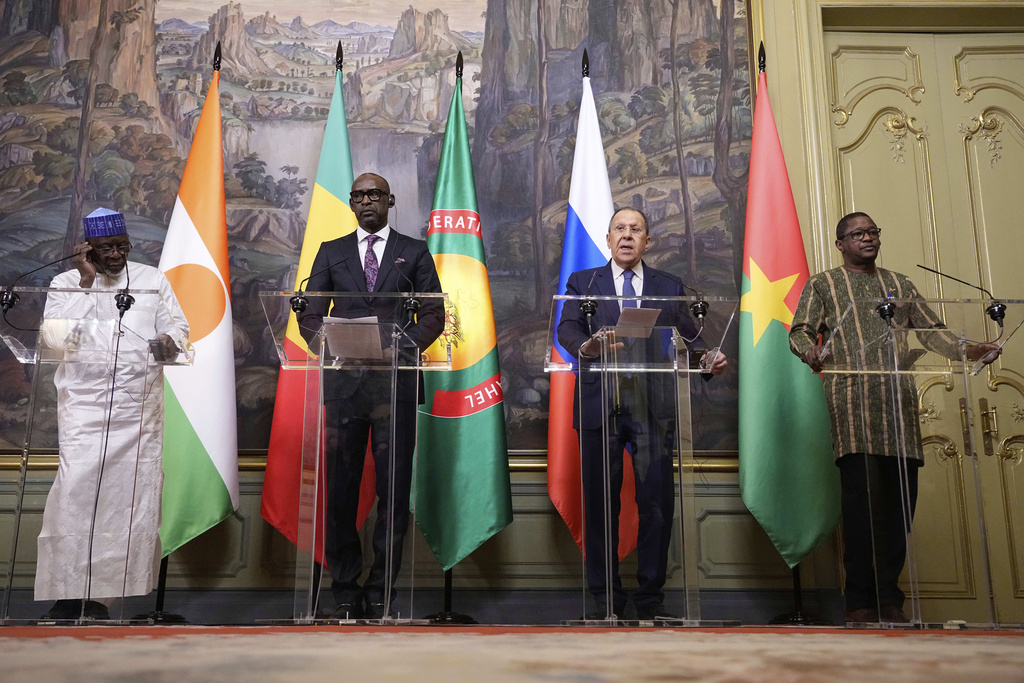
As Western sanctions choke Russia’s oil revenue, Moscow is increasingly turning to African gold to sustain its war economy.
The Gaze reports this, referring to The Telegraph.
For nearly two decades, Russia has been building vast gold reserves. That investment is now paying off, as gold begins to rival oil in financing Vladimir Putin’s military campaign against Ukraine.
Analysts note that gold is easier to move, hide, and trade compared to sanctioned energy exports, making it an ideal instrument for bypassing restrictions and securing foreign currency.
The report highlights Russia’s expanding footprint in Central Africa, where groups linked to the former Wagner PMC have taken control of major gold mining sites. Their presence in the Central African Republic has been marked by violence and coercion, with the group seizing billion-dollar deposits in 2021 and aggressively defending them ever since.
Moscow’s resource push extends to other states as well. For example, Russian mining firm Nordgold secured a new license this year at the Niou deposit in Kurweogo province – its third major operation in Burkina Faso.
Additionally, in Mali a Kremlin-backed junta has begun construction of a 200-ton gold processing plant in partnership with Russia’s Yadran Group, expected to become a regional refining hub.
Gold’s portability and liquidity make it uniquely valuable for an economy under sanctions. The metal can be smuggled, melted down, and traded without leaving the financial footprints associated with oil exports or banking transactions.
According to RAND Europe analyst John Kennedy, gold has never played such a critical role in Russia’s economy as it does today.
Despite Moscow’s deepening commercial interests, its influence in Africa is no longer unchallenged. Ukraine’s military intelligence reports that Russia is actively cultivating a loyal African elite through education and outreach programs.
However, the African Corps – a Ministry of Defence initiative intended to replace Wagner – has struggled to replicate the private military group’s influence and funding capabilities.
Several governments previously reliant on Russian support have begun exploring U.S. security cooperation instead, signaling a slow but tangible shift in power dynamics across the Sahel region.
As The Gaze informed earlier, South Africa has launched an official investigation after it became known that its citizens, a group of men aged 20 to 39, sought help after finding themselves in an active combat zone in eastern Ukraine.
Read more on The Gaze: The Great Realignment: How the War in Ukraine Reshaped the Global South