Fresh EU Sanctions Hit Russia’s Shadow Fleet and 12 Hybrid Threat Actors
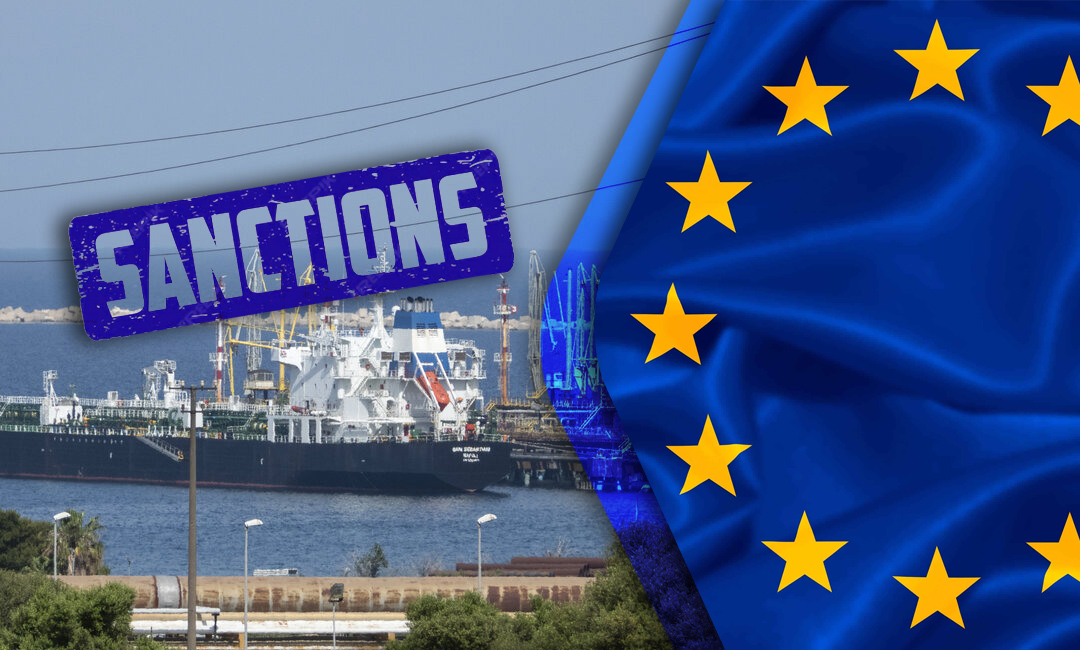
The EU has expanded sanctions against Russia, targeting both individuals and entities linked to hybrid threats, cyberattacks, propaganda, and the so-called “shadow fleet” that fuels Moscow’s war effort in Ukraine.
The Gaze reports on it, referring to a press release of the Council of the EU.
The Council of the European Union has imposed restrictive measures on a total of 12 individuals and two entities involved in Russia’s hybrid activities.
These include foreign-policy analysts, influencers, and members of think-tanks and universities affiliated with Kremlin messaging, as well as former Western military and police officers promoting pro-Russian narratives.
The sanctioned entities include the International Russophile Movement and Russia’s 142nd Separate Electronic Warfare Battalion, responsible for electronic attacks and GPS signal disruptions affecting EU member states. Members of GRU unit 29155 and the cyber group Cadet Blizzard were also targeted for their role in cyberattacks against Ukraine, EU governments, and NATO allies.
"They took part in cyber-attacks against government organisations in Ukraine and targeted EU member states and NATO Allies to gain sensitive information and aiming to destabilise their political situation," the statement reads.
Separately, the EU sanctioned nine individuals and companies linked to Russia’s “shadow fleet,” which conceals the origin of crude oil and petroleum shipments while employing irregular and high-risk practices. The targeted businessmen are associated with state-owned oil companies Rosneft and Lukoil, and the sanctioned shipping companies operate in Russia, the UAE, and Vietnam, further restricting Moscow’s revenue streams.
Those listed in both rounds of sanctions face asset freezes, travel bans, and restrictions preventing EU citizens and companies from providing financial resources to them. In total, EU sanctions now cover over 2,600 individuals and entities in response to Russia’s ongoing military aggression against Ukraine.
The measures demonstrate the EU’s dual approach: countering Russia’s destabilizing influence through cyber and propaganda channels, while economically limiting its ability to fund military operations via illicit oil trade.
Over the last period, Russia has significantly expanded its “shadow fleet” of oil tankers, which now makes up nearly one in six vessels worldwide, or about 17% of the global tanker fleet. Most of these ships are over 20 years old, and are crucial for sustaining Moscow’s oil and fuel exports despite international sanctions.
Although the EU has already blacklisted a lot of these tankers, Russia continues acquiring replacement vessels, highlighting the challenges of enforcement, described by EU officials as a “Whac-A-Mole” problem in targeting the shadow fleet.
As The Gaze reported earlier, experts warn that Russia's “shadow fleet” could be used to transport weapons, gather intelligence, and even launch drones from sea platforms, posing even greater threat to the international community.
Read also on The Gaze: The EU’s 19th Sanctions Package: A Strategic Offensive Against the Kremlin’s War Machine