How a Film About Ukrainian Polar Explorers Helped Raise Millions for the Military
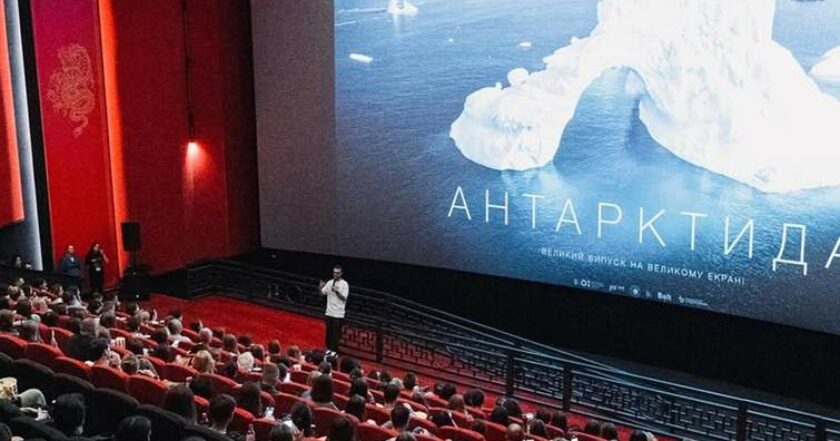
The documentary film "Antarctica" by Ukrainian video blogger Anton Ptushkin has evolved from a cinematic narrative into an international fundraising initiative in support of the Armed Forces of Ukraine.
The Gaze reports on it, referring to Rubryka.
During its international screening tour across Europe, Canada, and the United States, the film was shown 41 times in 28 cities. As a result, nearly 24 million hryvnias were raised and transferred to the Come Back Alive charity fund to support its “Dronopad” project, an initiative aimed at countering enemy drones.
Funds were raised not only through ticket sales. Audiences actively contributed via voluntary donations, participated in meet-and-greet events with the director, and took part in charity auctions featuring unique items brought back from Antarctica. All proceeds were directed toward supporting Ukrainian military needs.
The film "Antarctica" has also become a landmark achievement for Ukrainian cinema. In September, it set a national box office record, attracting more than 205,000 viewers in just two weeks and surpassing the performance of several high-profile documentary releases from the previous year.
The documentary focuses on the life and work of the 30th Ukrainian Antarctic Expedition at the Akademik Vernadsky Research Station. Ptushkin personally filmed every stage of the journey, capturing the expedition’s voyage aboard the Ukrainian icebreaker Noosfera, daily life inside the station, and the routines of polar researchers living and working in extreme isolation.
The film took around six months to complete, and the director has described it as the most fascinating project he has ever worked on. After viewing an early cut, the team decided the film deserved a theatrical release on the big screen.
Released in Ukrainian cinemas on September 4, "Antarctica" quickly became a standout cultural event. Reviewers note that it reveals Antarctica not only as a place of stunning natural beauty, but as a complex human and operational environment where logistics, psychological resilience, and everyday details play a crucial role. At the same time, the film delivers a powerful message: even during wartime, Ukraine continues its scientific research.
“This is a strong signal: we have not stopped, we are developing. Such stories are necessary because they show Ukraine to the world as a country of science and people who are moving forward despite everything,” said Oleksandr Tsybort, Deputy Minister of Economy of Ukraine for Digital Development.
As The Gaze reported earlier, Ukrainian icebreaker Noosfera has crossed the Antarctic Circle for the first time and joined international scientific research in Antarctica.