The EU Wants to End National Vetoes to Overcome Resistance From Hungary and Slovakia
But experts warn that this strategy is politically and legally risky.
The Gaze reports on it according to Euronews.
The European Union has recently put forward numerous legislative proposals that cannot be vetoed in order to overcome resistance from Hungary and Slovakia.
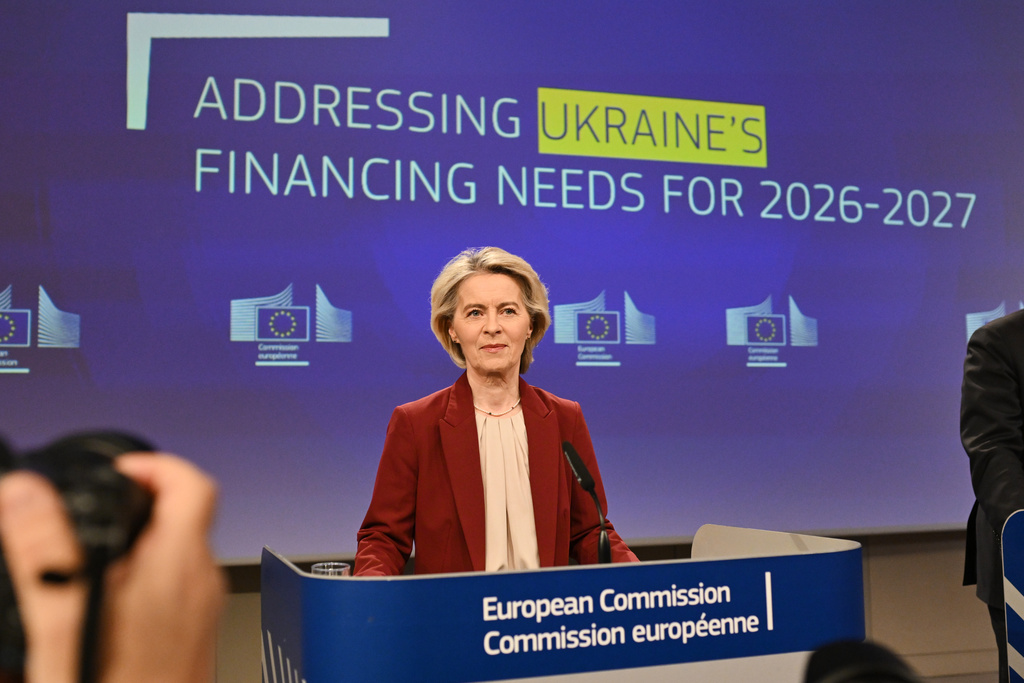
At this month's EU summit, European leaders turned to a tool that seemed unthinkable just a few months ago to break the deadlock: issuing joint debt backed by a common budget to support Ukraine, the publication recalls.
In this way, the EU avoided the need for a unanimous decision by member states and developed the idea of finding alternatives to circumvent national vetoes, particularly when used by Hungary, which has made the right of veto a central element of its policy towards Ukraine – from its financing to its EU membership application.
Poland ranks second with seven vetoes, while Slovakia has blocked two decisions, both this year. Most EU statements in support of Ukraine have been issued on behalf of the EU — 26, with the exception of Hungary. This does not change the fact that all member states can veto decisions requiring unanimity for significant policy changes.
German Chancellor Friedrich Merz and French President Emmanuel Macron now support changes to EU voting rules, but such a move would require an amendment to the EU's founding treaty, which Hungary and possibly other member states are likely to resist. However, as the systematic use of the veto has been a problem for the EU for years, Brussels is now looking for more creative solutions.
An EU diplomat who spoke to Euronews on condition of anonymity said that the European Commission is now deliberately structuring its proposals to avoid requiring unanimous agreement from member states.
One attempt to circumvent a likely veto by Slovakia and Hungary took place in May this year with the presentation of the REpowerEU roadmap, a package designed to phase out fossil fuel imports from Russia by 2027.
All member states at some point threatened to use their veto power, as it guarantees that countries of all sizes have equal power at the negotiating table.
A decision was made on the format of financing for Ukraine for the next two years, which provides for joint interest-free debt on capital markets using a budget reserve of €90 billion for the next two years, which Ukraine will only have to repay if Russia pays reparations for the damage caused during the war.
The decision was made on the condition that the debt will not have a financial impact on three countries, namely Hungary, Slovakia and the Czech Republic.
As the Gaze reported earlier EU Approves €90 Billion for Ukraine.