Turkey’s Largest Tanker Operator Cuts All Ties with Russia After Blast Off Senegal
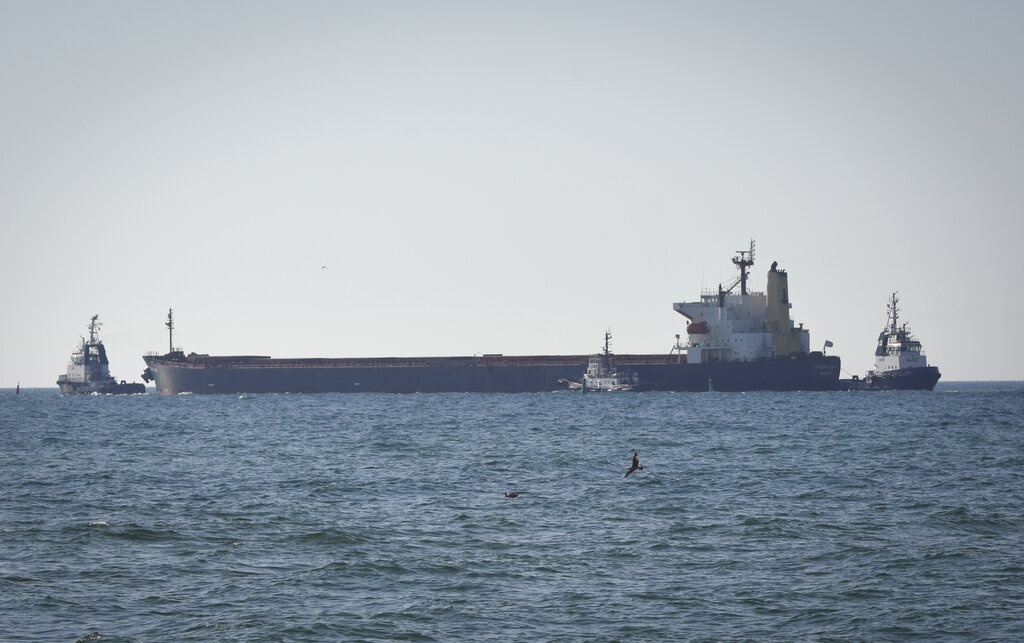
Turkey’s leading oil shipping company, Besiktas Shipping, has halted all cooperation with Russia following a series of unexplained explosions that severely damaged one of its tankers near the coast of Senegal.
The Gaze reports this, referring to Reuters.
The Istanbul-based firm, which owns a fleet of 29 tankers and has long been involved in transporting Russian crude, said the security environment surrounding Russian-linked routes has become too dangerous for its vessels and crews.
The decision comes after the tanker Mersin suffered four external blasts while anchored near Dakar last week. The incident left the ship heavily damaged, and investigators have yet to determine who was responsible or what weaponry was used.
In the aftermath, the company conducted an internal risk assessment and concluded that the dangers associated with operating in or around Russian cargo routes had reached an unacceptable level.
“Security conditions in the region have deteriorated sharply. After a comprehensive evaluation, we determined that the risks to our fleet and personnel can no longer be justified. Ensuring the safety of our crews and assets is our top priority,” the company said in a statement.
The decision appears to be influenced not only by the Senegal incident but also by a surge in maritime attacks involving Russia-linked vessels in the Black Sea.
On November 28, two tankers belonging to Russia’s so-called “shadow fleet” caught fire near the Bosphorus. Then sources told the media that Ukraine’s SSU “Sea Baby” naval drones struck two sanctioned Russian tankers, Kairo and Virat, in the Black Sea.
On December 2, The tanker Midvolga 2, carrying sunflower oil from Russia to Georgia, was attacked about 80 miles off Turkey’s northern coast. Kyiv immediately denied involvement, calling the episode a Russian provocation.
Together, these events have heightened concerns among commercial shipowners who rely on Black Sea and Mediterranean routes.
Besiktas Shipping’s withdrawal deals a blow to Russia, which increasingly depends on non-Western operators to move its crude amid sanctions, price caps, and restrictions targeting its “shadow fleet.”
As The Gaze previously reported, Russia has built up a vast “shadow fleet” of oil tankers, which now accounts for nearly one in every six such vessels operating globally.
In turn, the European Union is considering new sanctions against Russia's “shadow fleet” of oil tankers.