Merz Сalls on the EU to Share the Risks of Using Russian Assets
The future of Europe is at stake.
The Gaze reports on it according to European Truth.
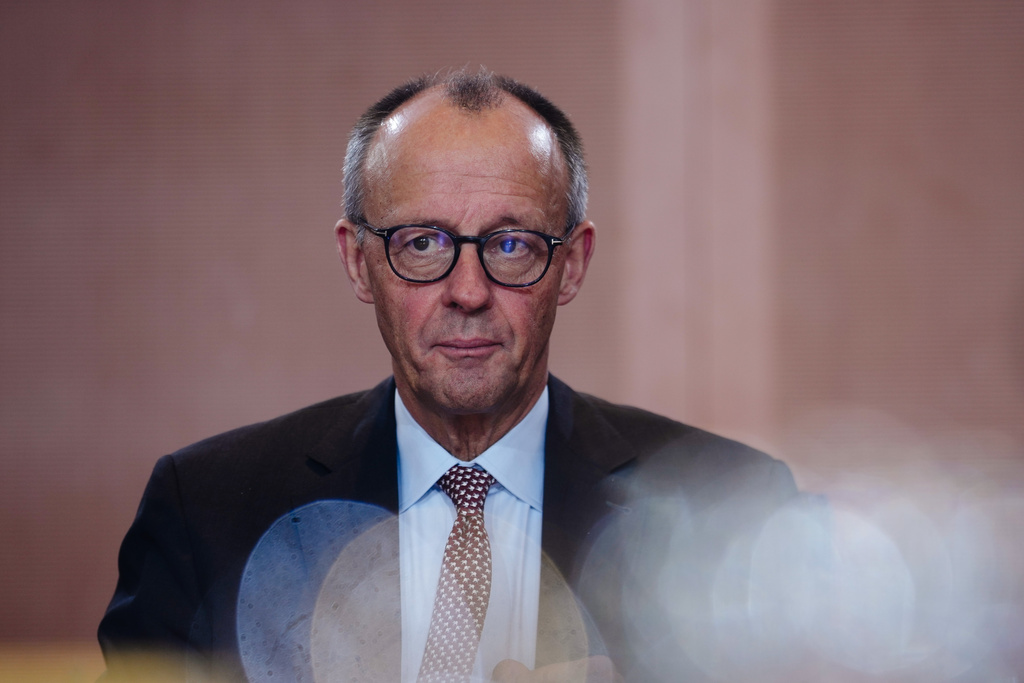
German Chancellor Friedrich Merz has called on EU countries not to be afraid to share the risks of using frozen Russian assets to provide loans to Ukraine.
This is stated in his article in the Frankfurter Allgemeine Zeitung, according to European Truth. German Chancellor Friedrich Merz has called on EU countries not to be afraid to share the risks of using frozen Russian assets to provide loans to Ukraine.
Merz emphasises that imperialist Russia seeks to extend its sphere of influence far beyond its borders – to the states of Europe.
‘Moscow is preparing militarily, its society is preparing militarily for conflict with the West. Such a Russia threatens European freedom and security,’ he said. Merz recalled that the European Commission had presented a concrete proposal on how to mobilise more than €165 billion in additional funding for Ukraine.
"Therefore, it is in our hands not only to strengthen Ukraine, but also to send Moscow a clear signal that continuing this war of aggression makes no sense. This is a signal not about continuing the war, but about ending it. We are sending a signal about European independence, a signal that we, Europeans, decide and shape what happens on our continent," the chancellor said.
According to him, in order to send this signal, it is necessary to use frozen Russian assets.
"We must share all the financial risks of this step. For me, “share” means that everyone bears the same risk in proportion to their economic capabilities. We must agree on this principle at the political level and then implement it in a legally binding form. It would be unacceptable if one country bore a disproportionately large burden in this process," Merz said.
He expressed understanding that, in particular, the Belgian government, where a significant portion of the frozen assets are located, cannot rely solely on political promises.
‘These concerns must be taken into account in future discussions of specific legal texts. These discussions must begin immediately and be completed quickly,’ the chancellor clarified.
‘However, this requires a political signal from European heads of state and government: it is up to us to move forward on the path to European sovereignty. What we decide now will determine the future of Europe,’ he stressed.
On 3 December, European Commission President Ursula von der Leyen announced two decisions on financing Ukraine in 2026-2027, one of which proposes using funds from frozen Russian assets in the EU to provide Ukraine with a ‘reparations loan’.
As the Gaze reported earlier The German Government is Developing Operation Plan