Ukraine on the Threshold of Export Transformation of the Defense Industry
Ukraine stands on the threshold of a revolutionary transformation: from a consumer of armaments, it is turning into a powerful exporter and building an export ecosystem that will stimulate reconstruction and innovations
After three years of full-scale invasion, Ukraine has stopped being merely a consumer of military equipment. Today, it is forming its own armaments ecosystem – from drones to missiles, from sensorics to control systems – which not only feeds the front but is also capable of competing on the world market. The latest news that Ukraine is preparing controlled exports of maritime unmanned systems (USV) is a signal of transformation: the state sees in its own production not only a tool of defense but also a source of economic growth and postwar reconstruction.
This step is not a trifle but a strategic turn: armaments are not only a tool of war but also an export commodity. And it is here that the potential of cluster opening emerges – a model in which the Ukrainian defense industry becomes a center of production, cooperation, technological exchange, and export.
Allies Need More Than Just Armaments – They Require a New Architecture of Cooperation
European countries and other allies have several key tasks: first, to diversify their armaments supplies so as not to be dependent on single producer states; second, to reduce costs, accelerate the supply cycle, and adapt to new forms of war (unmanned systems, robotics, networked systems); third, to integrate new partners into production chains so that the technological base is broader and more flexible.
Ukraine can provide allies with what they are really looking for: battle-tested systems, a production base, mobility, as well as the opportunity to centralize part of the production or service in Ukraine, which reduces logistics costs and risks. For example, maritime drones that Ukrainian developers are already using for attacks on the Russian fleet become for the West not an experiment but a ready product.
Thus, the model of "Ukraine as partner-producer + ally as market/investor" creates a cluster: production, certification, export, technical service, and modernization – all integrated. This gives the EU and NATO the opportunity to shorten the cycle "from concept to delivery," reduce R&D costs, and respond faster to new challenges.
For Ukraine, This Is Not Just Export – It Is an Economic Driver of Postwar Recovery
The decision to export maritime unmanned vehicles is a signal that armaments are becoming an element of the national economy, not just a military component. With any export contract – currency inflows, job creation, development of human capital, influx of technologies. This helps lay the foundation for postwar reconstruction: production → export → reinvestment in the modernization of industry and infrastructure.
As President Volodymyr Zelenskyy stated, Ukraine produces 4,000 maritime drones, of which it needs only 2,000 – the rest can be offered to partners.
In addition, export allows reducing dependence on international aid and forming currency flows that can be directed toward reconstruction. This is especially important when financial stability becomes a key challenge after the war.
Key Sectors and Formats: What to Pay Attention To
Maritime unmanned vehicles (USV). This is one of the real niches where Ukraine has an advantage: systems like Magura V5/V7 are already being used against the Russian fleet.
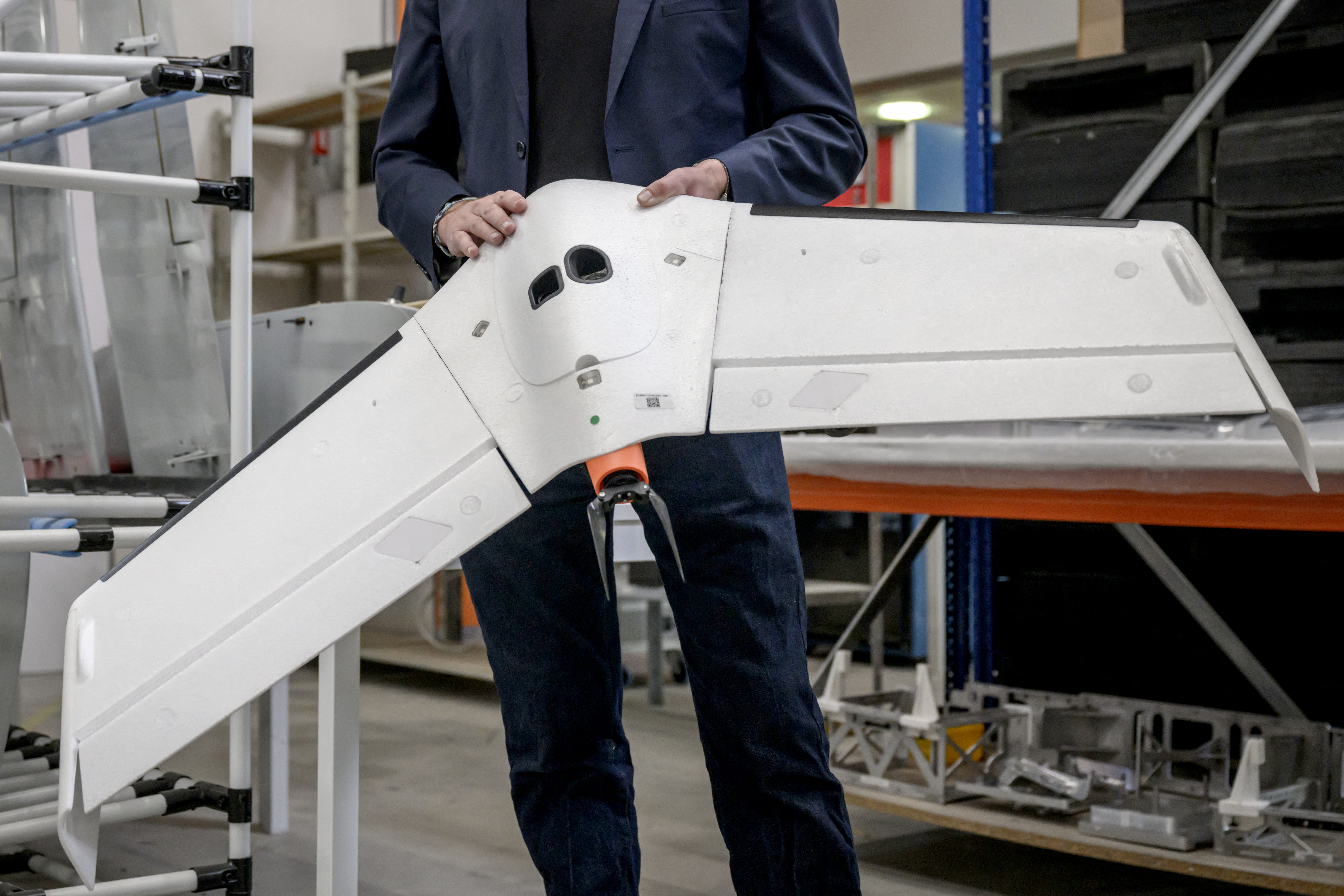
Aerozone unmanned vehicles. Ukraine already has production rates and mass demand – in 2025, several million FPV drones are planned.
Ground robotic systems. Less highlighted but part of the ecosystem: logistics, mining, reconnaissance.
Technological cooperation and services. Partnership with the West (production, modernization, training, service) creates long-term contracts, not just one-time deliveries.
What Are the Challenges and Necessary Conditions for Successful Cluster Export
Although the prospect looks promising, it requires three basic conditions. The first condition is export control: Ukraine is in a state of war, so it is necessary to strictly regulate to whom and which systems are sold, in order not to create the risk of redirection to undesirable end users. In this context, the President of Ukraine emphasized: "We will not give weapons to those who do not support our independence."
The second condition is the scale of production and certification: it is necessary to ensure that production capacities withstand the increase in volumes, as well as meet partners' standards regarding quality, warranty service, logistics.
The third condition is financial, legal, and logistical infrastructure: forming contracts, partner-production, licensing conditions, investment return guarantees, service. Without this, Ukrainian export risks remaining fragmented.
Is a Strategic Win Possible for the West
For ally countries, this is an opportunity to gain access to technologies already tested in combat conditions. It is also a chance to diversify armaments supply chains, create new production sites, including part of the production in Ukraine or other partner countries. Moreover, participants in these processes will take part in forming a new security architecture, where Ukraine becomes a partner in production and technological integration.
For the EU, this is especially important: in the strategy of European countries to 2030, emphasis is placed on joint procurement of 40% of defense systems and on active investment in unmanned technologies.
If allies take advantage of the Ukrainian "test flight" and production platform, they will accelerate the modernization of their armies and simultaneously support Ukraine's economic stability.
Armaments Export Is a New Strategic Tool for Ukraine
By controlling export and integrating production with its allies, Ukraine is not just opening the arms market – it is creating a cluster that can become a locomotive of postwar recovery. Borrowing the concept from the civilian economy, where clusters stimulate innovations, scale up supply chains, and create a multiplier of growth, we get a new defense export cycle: production base → contract → export → reinvestment.
This cycle, under conditions of quality management, can turn into a self-financing model: forced production of Ukrainian systems, currency inflows, technological cooperation with the West, and modernization of the economy. Allies receive combat-ready, verified systems; Ukraine – financial and technological prospects; and collective security – a new broader base of support and production.
Now is the time to act: partners and the Ukrainian government must lay down clear export frameworks, a production strategy, contract models, and technological chains so as not to lose momentum. Because when the front line moves into industry, postponing things means losing momentum.
Dmytro Levus, foreign policy expert, analyst at kyiv-based United Ukraine Think Tank