Ukraine Turns to Starlink and Resilient Fiber to Future-Proof Blackout Shelters
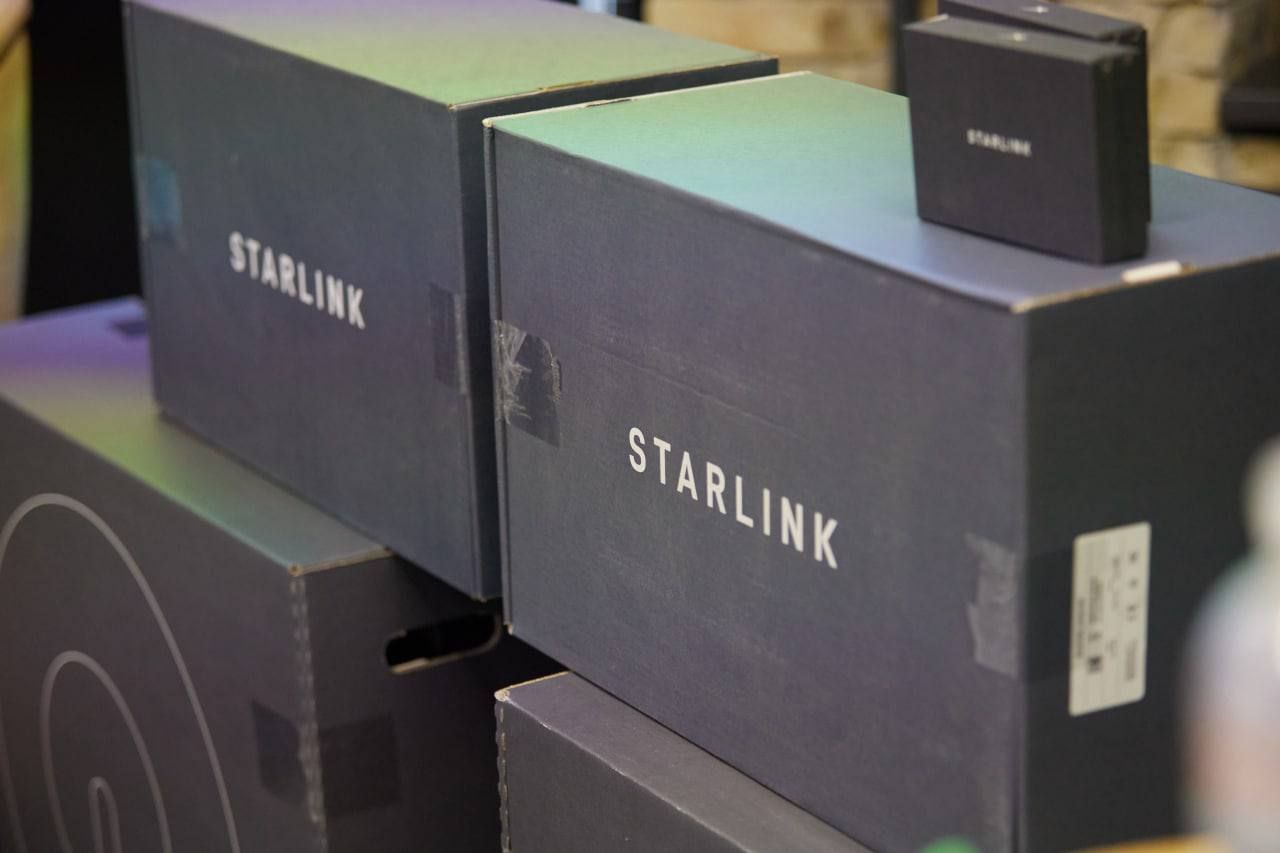
Ukraine has tightened operational rules for its nationwide network of emergency “Points of Invincibility,” requiring every site to be equipped with power-independent internet – either satellite terminals from Starlink or resilient fiber-optic connections.
The Gaze reports this, referring to an announcement made by the Ministry of Digital Transformation of Ukraine.
The changes follow recent blackouts in the southern port city of Odesa that exposed gaps in connectivity at some shelters. Officials said internet disruptions were often detected only after residents complained on social media, rather than through real-time monitoring systems.
Under the updated standards, each Point of Invincibility must operate on either xPON fiber technology – capable of running without grid power for up to 72 hours – or satellite internet where cable networks are unavailable.
Every location will also be assigned a static IP address, enabling centralized, automated checks so outages can be identified and fixed before people arrive.
“Without connectivity, a Point of Invincibility is just a warm room,” the ministry said in a statement. “With the internet, it becomes access to government services, news, and coordination with emergency responders.”
The shelters, introduced as Russia’s strikes repeatedly damaged Ukraine’s energy infrastructure, are designed to provide heat, electricity, communications and basic services during prolonged outages. Ensuring uninterrupted internet access, officials say, is critical for allowing citizens to contact relatives, use digital state services and receive alerts from emergency agencies.
In parallel, Ukraine has begun piloting Starlink’s Direct-to-Cell messaging technology, aiming to enable basic text communication nationwide, even in areas without mobile coverage, further reinforcing civilian and emergency communications amid the war.
As The Gaze previously reported, Russian attacks on Ukraine’s energy infrastructure are cutting electricity to an average of around 400,000 consumers every day, mainly in frontline and border regions.
Read also on The Gaze: Ukraine Boosts Energy Resilience with Dutch Wind and Solar Equipment