Ukraine’s F-16 Fleet Proves Its Worth in One of Russia’s Largest Missile Barrages
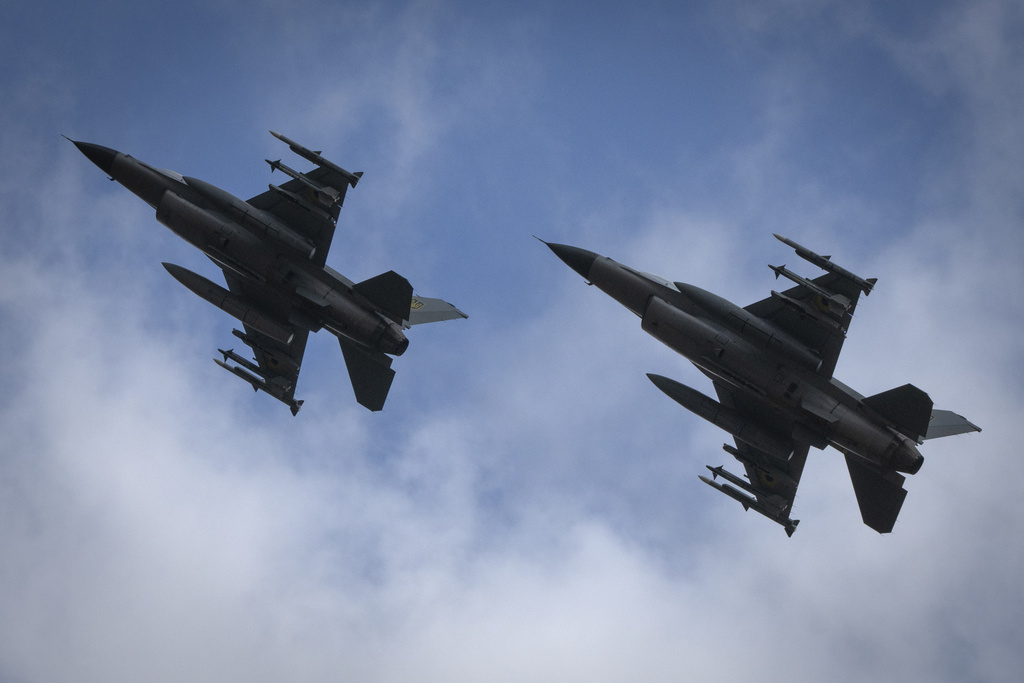
Ukrainian Air Force pilots flying F-16s played the decisive role in repelling a large-scale Russian air assault overnight.
The Gaze reports this, citing an interview by Ukraine's Air Force’s communications chief Yurii Ihnat with Ukrinform.
Ihnat said tactical aviation, above all F-16 crews, was responsible for most cruise-missile kills during the attack that began late on December 22. Air Force data show Ukraine’s defenses neutralized 635 of 673 aerial threats, including 34 of 35 cruise missiles launched by Russia.
The strike spanned much of the country, from southern regions to the west, and primarily targeted energy facilities nationwide as well as port infrastructure in Odesa region, Ihnat said.
Debris from intercepted missiles and drones caused localized damage in several areas, including Lviv, Odesa, Khmelnytskyi, Ternopil, and Zhytomyr regions.
Alongside F-16s, Ukraine employed a layered defense that included Mirage fighters, MiG-29s, Su-27s, interceptor drones, mobile fire groups, and ground-based air defense systems operated by the Ukrainian Air Force.
Ihnat cautioned, however, that air-to-air and surface-to-air missiles remain in short supply, stressing that current deliveries from Western partners do not yet meet operational needs.
He echoed calls from Ukraine’s leadership for accelerated shipments of both air defense systems and interceptor munitions, noting that some systems risk standing idle without missiles.
An analysis of recovered debris suggests Russia is firing newly manufactured weapons, Ihnat added, pointing to evidence that missiles and Shahed drones are being deployed soon after production. He reiterated Kyiv’s warnings about sanctioned components continuing to find their way into Russian weapons via international supply chains.
Despite the pressure on stocks, Ihnat credited the coordination across all elements of Ukraine’s air defense, and continued partner support, for the high interception rate. “Our crews are ready to defend the country,” he said. “However, sustained effectiveness depends on a steady flow of interceptors.”
As The Gaze previously reported, Russian attacks on Ukraine’s energy infrastructure are cutting electricity to an average of around 400,000 consumers every day, mainly in frontline and border regions.
Read more on The Gaze: Why the European Union Cannot Afford "Ukraine Fatigue" in 2026