Cultural Code of Mariupol: Exhibition Highlights Resilience Amid Destruction
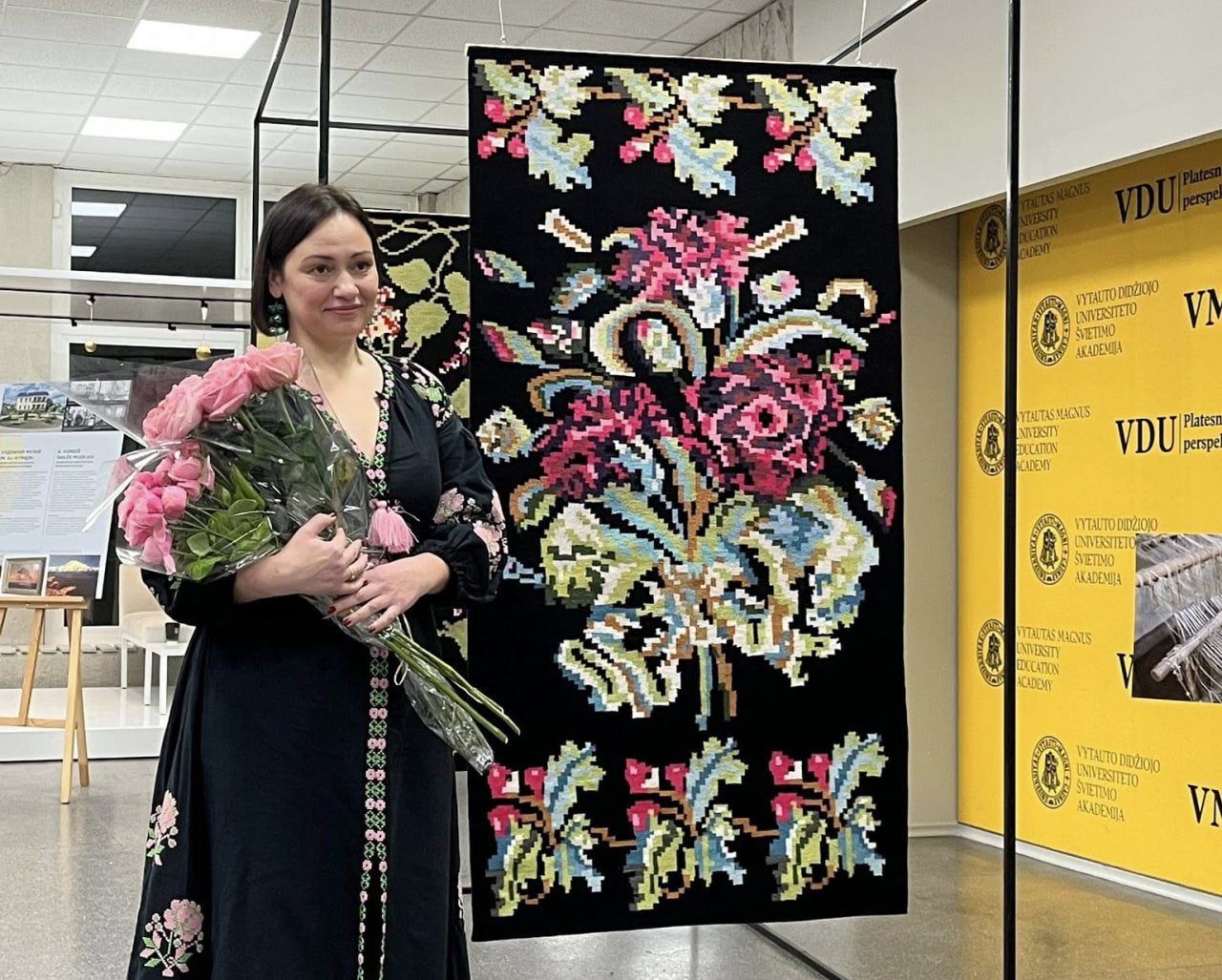
A exhibition dedicated to the cultural heritage of Mariupol, featuring recreated Mariupol carpets, was presented in Vilnius.
The Gaze reports on it, referring to Dzerkalo Tyzhnia.
Mariupol carpets became the central element of the exhibition, aiming to preserve the memory of the city that suffered from Russian aggression. The project, titled "The Cultural Code of Mariupol. Destroyed but Not Defeated", combined physical replicas of the carpets with digital copies of ethnographic materials.
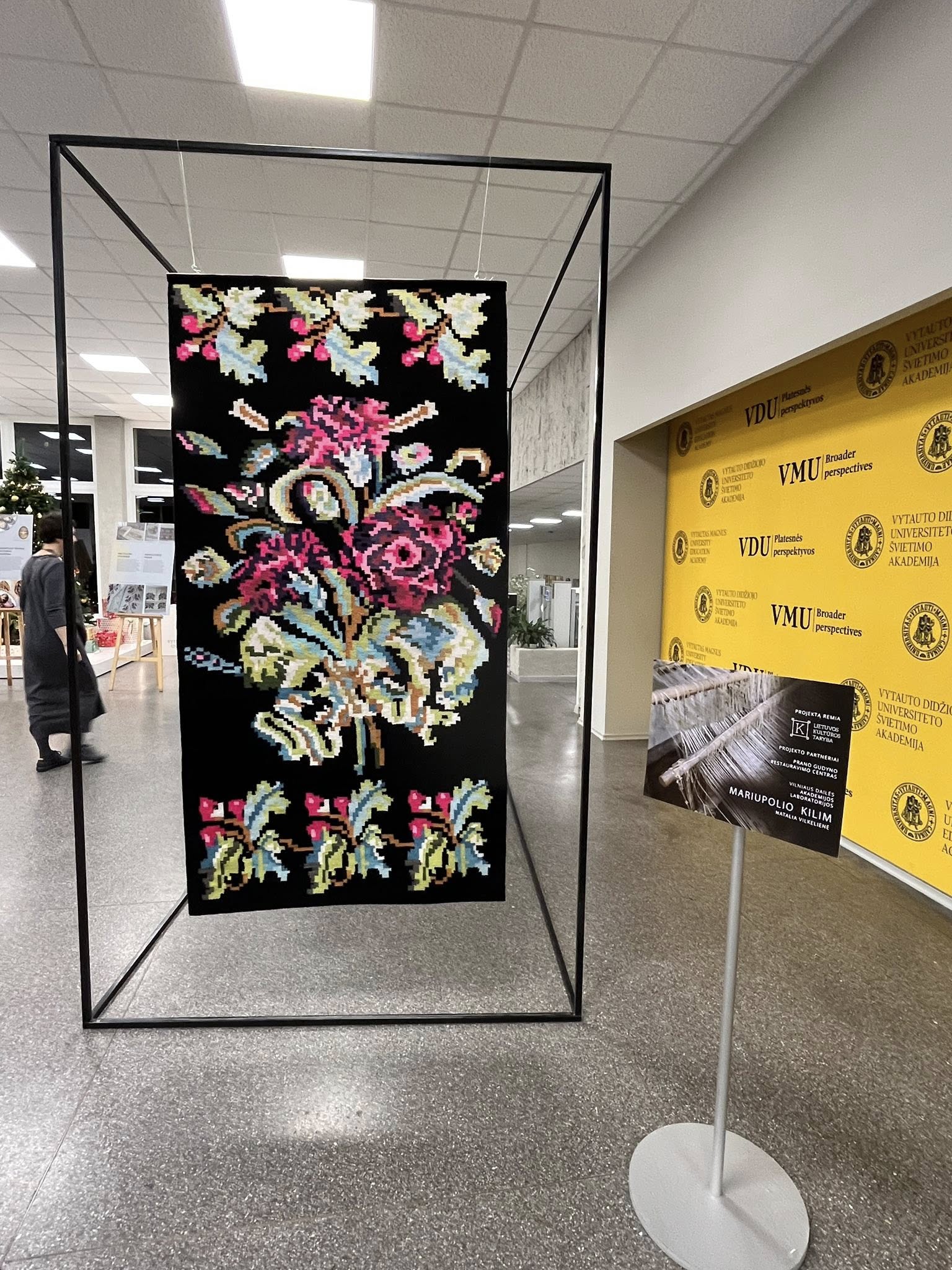
In addition to the carpets themselves, special attention was drawn to the work of Lithuanian textile artist of Ukrainian origin Natalija Griežė Vilkelienė. The artist and textile designer, who completed her master’s degree at the Vilnius Academy of Arts, has been devoted since 2021 to reviving the unique carpets of the Azov region.
She visited Mariupol and Greek settlements in the region, studied local museums, wool samples, and sheep breeds important for authentic carpet-making. Now the artist creates replicas of carpets that were previously exhibited at the Mariupol Local History Museum.
Hand weaving in Ukraine has a centuries-old history. At the beginning of the 20th century, artisans in the Nadazov region produced various items on looms, including colorful handwoven wall decorations and simple cloths.
Over time, these woven products became part of the collection of the Mariupol Local History Museum, where they introduced visitors to local traditions and cultural heritage. One notable exhibit was a pileless wool carpet from the late 19th – early 20th century, featuring red roses on a black background with floral ornaments.
Mariupol is an important port city in southeastern Ukraine, located on the shores of the Sea of Azov. Before the war, it was an industrial and cultural center of the region, known for its metallurgical plants, textile heritage, and ethnic diversity.
After the start of the full-scale Russian invasion in February 2022, Mariupol suffered extensive destruction. According to human rights organizations Human Rights Watch, Truth Hounds, and SITU Research, in the first two and a half months of the war, all 19 hospitals in the city, 86 of 89 educational institutions, and over 93% of multi-storey buildings in the city center were damaged.
As The Gaze reported earlier, Russian occupation authorities in Mariupol have placed a 14-meter New Year tree directly outside the city’s Drama Theater – the building that became one of the most harrowing symbols of Russia’s assault on civilians during the 2022 siege. As a reminder, on March 16, 2022, despite a large “CHILDREN” sign painted outside to warn aircraft Russian forces bombed the building, killing the hundreds of men, women, and children.
Read also on The Gaze: Discover Ukraine Online: Museums and Heritage Tours