New Google Arts & Culture Page Honors a Ukrainian Impressionist Artist
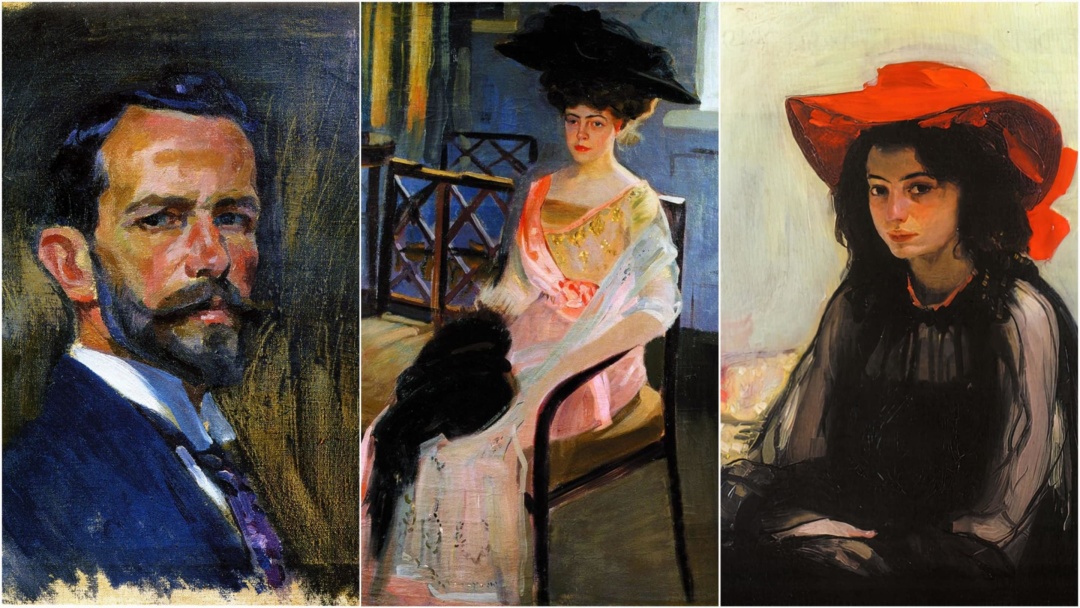
On the Google Arts & Culture platform, a separate page has been created dedicated to Ukrainian artist Oleksandr Murashko, marking the 150th anniversary of his birth.
The Gaze reports on it, referring to Suspilne.
The new online project allows users to learn more about the life and work of the outstanding Ukrainian artist Oleksandr Murashko.
The page features his most famous works, archival materials, and biographical information, allowing a wider audience to become familiar with Ukrainian artistic heritage.
The initiative is part of a joint effort by Google Arts & Culture, the Ukrainian Institute, and NAMU to promote Ukrainian art around the world.
Oleksandr Murashko is one of the most prominent representatives of Ukrainian art of the early 20th century, who combined the academic school with modernist influences to create his own distinctive style. He belonged to a generation of artists who sought to combine European innovations with the national artistic context, establishing the Ukrainian school of painting at the international level.
He was born on August 26, 1875, in Kyiv, into a family closely connected with art: his stepfather, Mykola Murashko, was a well-known artist and founder of the Kyiv painting school. After studying at the St. Petersburg Academy of Arts, where he was a student of Ilya Repin, Murashko embarked on a creative journey through Europe.
Paris became an important stage in the formation of his individual style. His paintings are distinguished by the harmony between the emotional state of the characters and their surroundings, as well as his masterful use of light and shadow, which gives the images depth and drama.
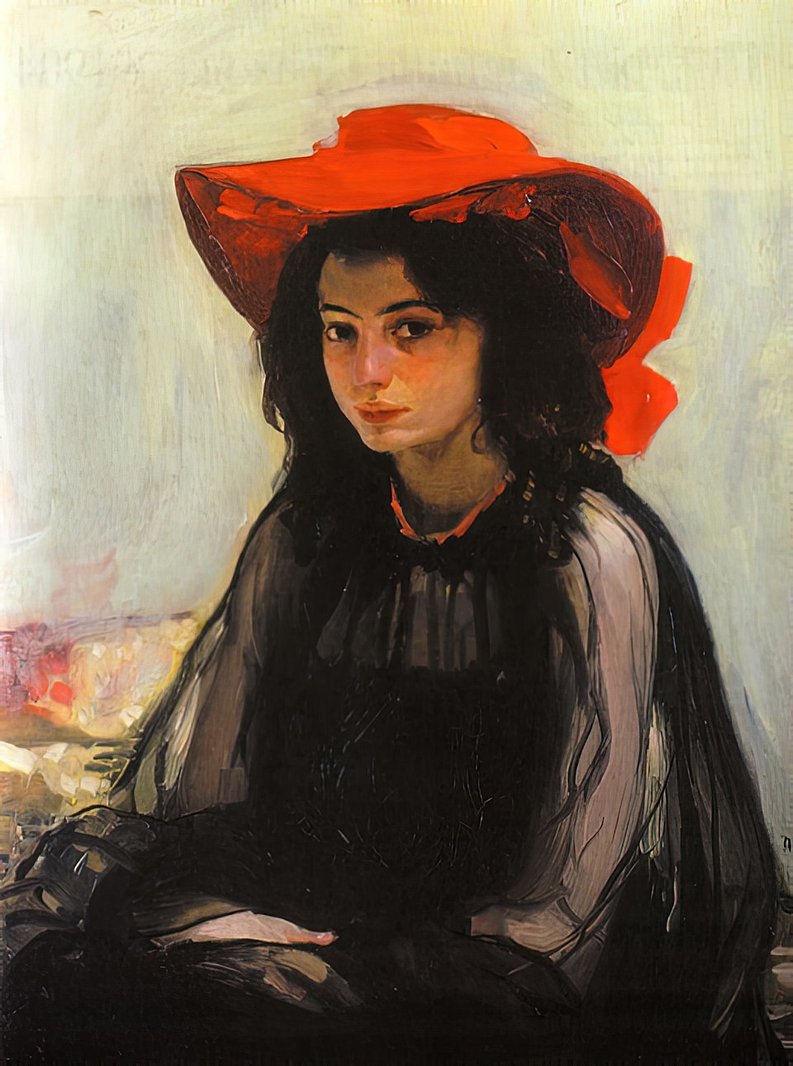
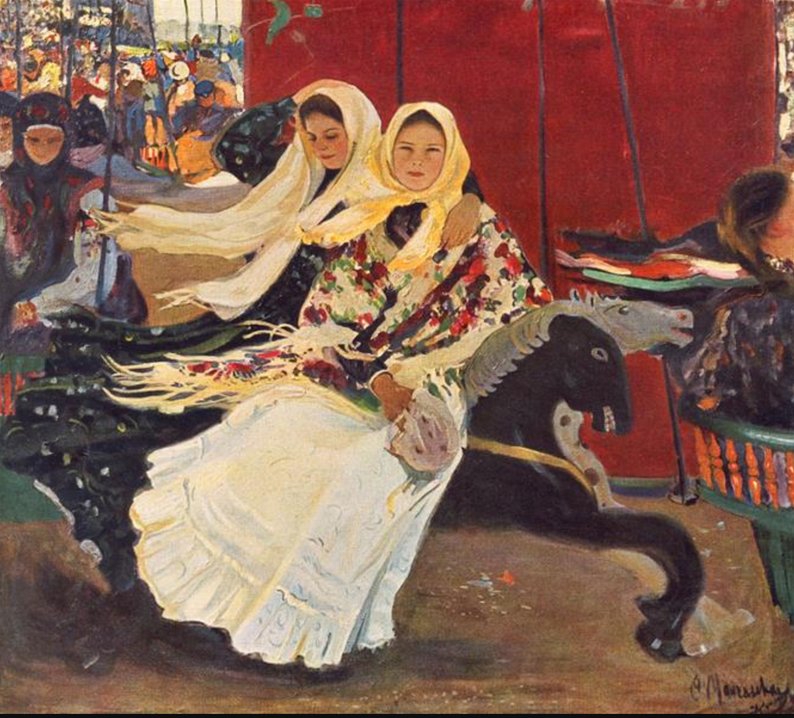
After studying at Anton Azbe's school in Munich, the artist continued to develop his own style. His works — Girl in a Red Hat, Carousel, Funeral of the Cossack Chief — brought him European recognition.
In particular, he received a gold medal for Carousel at an international exhibition in Munich. Murashko became a member of the Munich Secession, a community of progressive artists who advocated for the renewal of art.
His works were exhibited in Paris, Rome, Venice, Berlin, Vienna, and Amsterdam, where they were noted for their innovation, psychological depth, and coloristic expressiveness.
At the same time, Murashko remained closely connected to the Ukrainian art community. In 1913, he opened his own art studio in Kyiv, and in 1917, he became one of the founders of the Ukrainian Academy of Arts, where he sought to educate a new generation of artists in the national spirit.
Read more on The Gaze: Ukrainian Writers Who Were Ahead of Their Time