How Novorossiysk Became Russia’s Achilles’ Heel in Energy
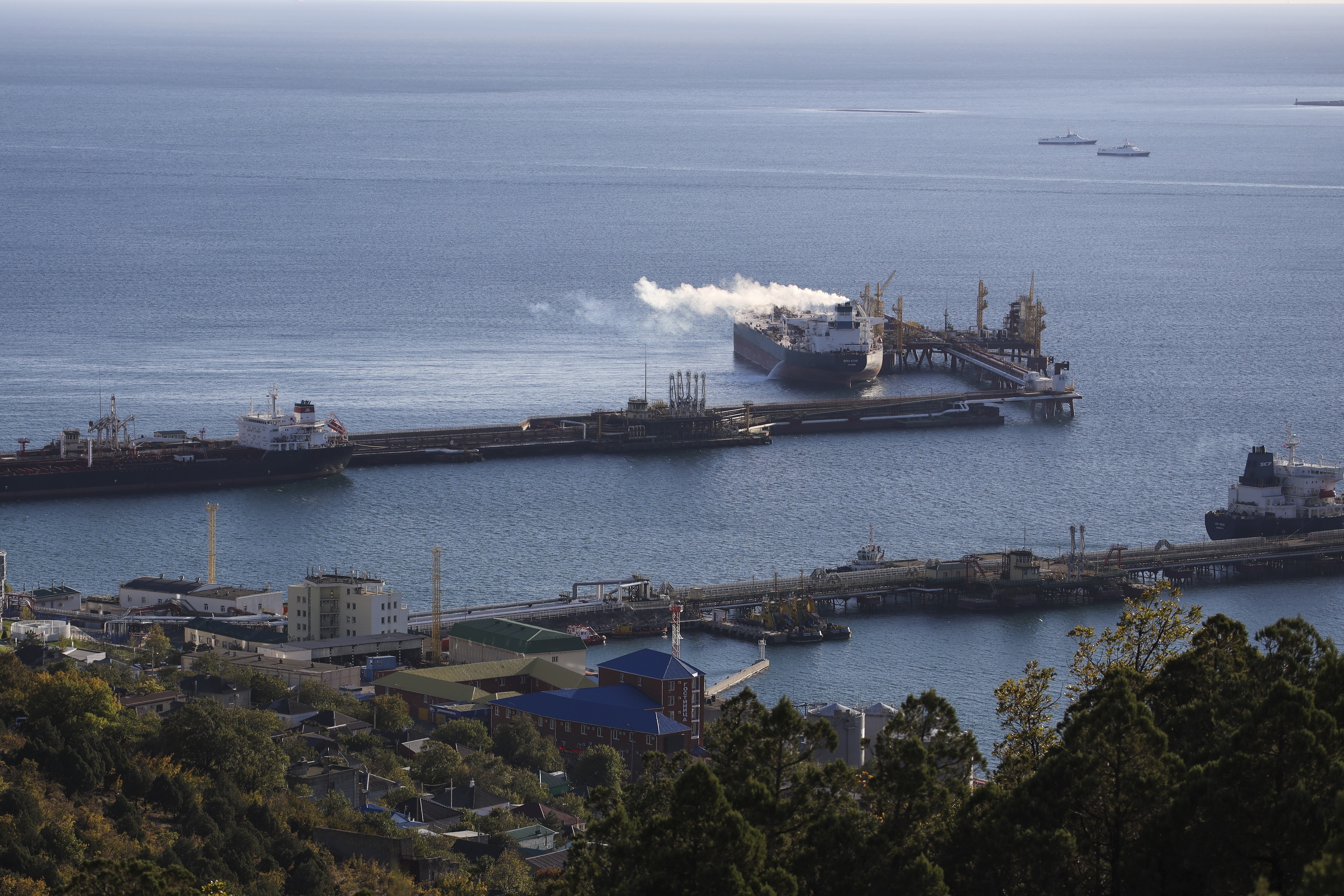
The recent strike on the Novorossiysk oil terminal has revealed a critical vulnerability in Russia’s energy infrastructure, exposing weaknesses long hidden behind years of logistical claims. This is highlighted in a new article by Bohdan Popov, Head of Digital at the United Ukraine Think Tank, communications specialist and public figure.
Popov notes that the “Sheshkharis” terminal is a central hub where oil from the Volga region, Western Siberia, and Kazakhstan converges before being exported, making it a vital node in Russia’s energy supply chain.
Damage to the terminal has slowed oil loading, caused tanker accumulation, and disrupted the flow of Urals crude to Asia, underscoring that even highly protected infrastructure is not immune to attacks.
The strike has significant economic and logistical consequences. Every hour of downtime reduces export volumes by tens of thousands of barrels, translating into millions of dollars in lost revenue.
Tanker insurance premiums have spiked, reflecting the increased risk for operators, and repeated attacks could classify Novorossiysk as a “high-risk” port. This would force Russia to rely on alternative routes that are slower, costlier, or limited in capacity, further squeezing profits.
Popov also highlights broader repercussions. Lower export volumes and rising logistical costs put pressure on Russia’s currency reserves and weaken the confidence of trading partners. If strikes continue, they could create long-term uncertainty in global markets regarding Russian oil.
Additionally, Kazakhstan might diversify its export routes to bypass Novorossiysk, undermining Russia’s role as a transit country and representing a political as well as economic blow.
“This is a political defeat that the Kremlin fears much more than temporary forced repairs,” writes Popov.
Finally, the strike exemplifies a new strategic dimension of the conflict, where targeted attacks on critical infrastructure can produce systemic effects, not just temporary disruptions.
“Several such operations are capable not just of slowing down Russian export, but of becoming a catalyst for a systemic crisis, where low prices, high risks, and logistical restrictions will work against Moscow simultaneously,” the expert concludes.
As The Gaze reported earlier, on November 14, a large-scale Ukrainian missile and drone strike set parts of Novorossiysk’s oil infrastructure on fire, temporarily halting Russia’s oil exports from the Black Sea hub and affecting roughly 2% of global supply.
Read the full analysis on The Gaze: Strike on Novorossiysk: When Russia’s Oil Export Finally Faltered