Germany Ends Dependence on Russian LNG with Historic Deal with Argentina
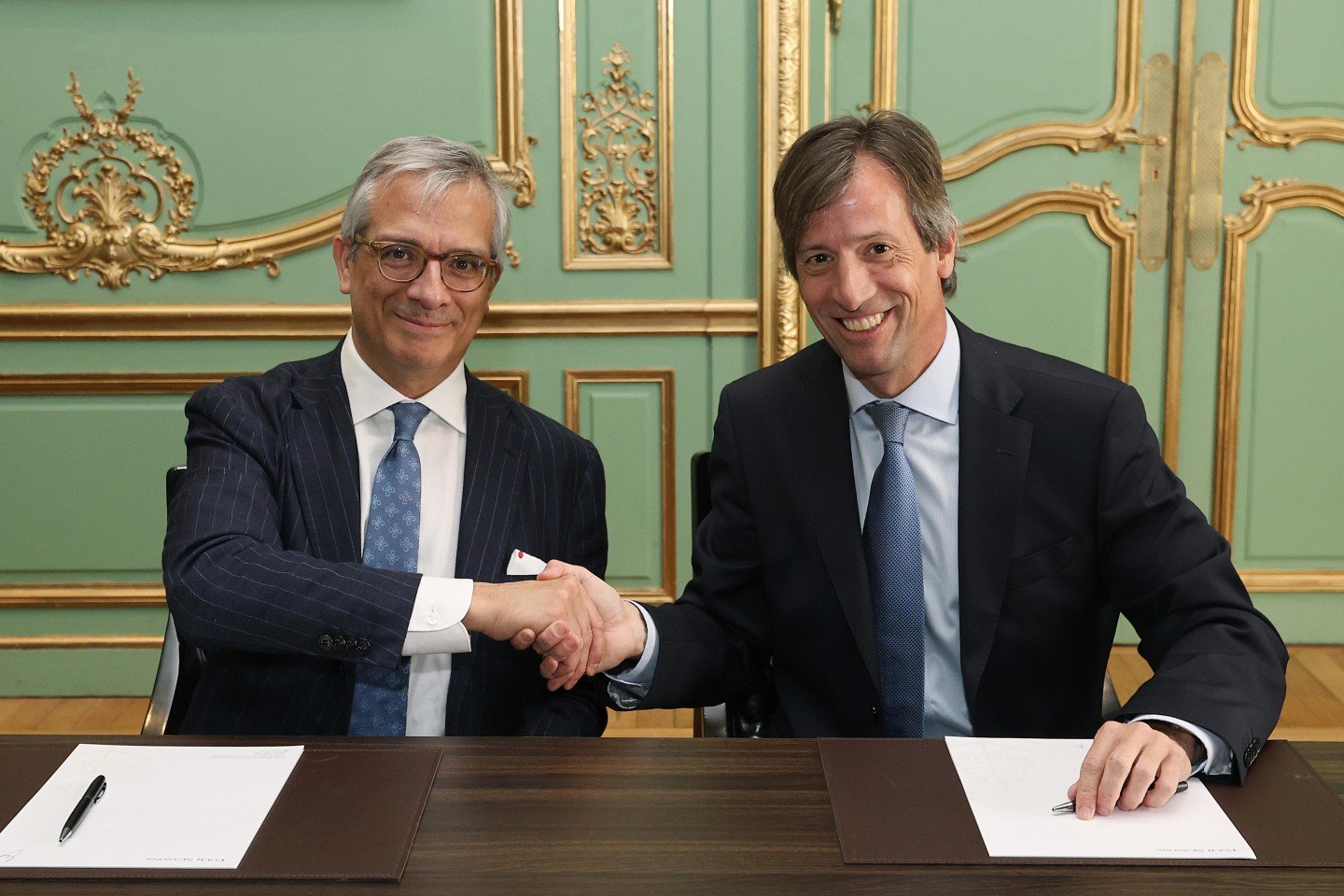
Germany has signed a historic agreement with Argentina to supply liquefied natural gas and thus finally abandon Russian energy resources.
The Gaze reports on it, referring to Dzerkalo Tyzhnia, referring to Bloomberg.
The German state-owned company Securing Energy for Europe (SEFE) has reached an agreement with Argentina's Southern Energy to supply up to two million tons of liquefied natural gas (LNG) annually for eight years.
Deliveries are scheduled to begin at the end of 2027, when the EU ban on Russian LNG transactions comes into force, allowing Germany to terminate its contracts with Gazprom.
This agreement will be Argentina's first long-term contract for LNG exports and includes the launch of two floating terminals with a total capacity of about six million tons per year.
The deal would strengthen Europe's energy security and help diversify gas sources, complementing Germany's existing contracts with the US, Qatar, and Norway.
Germany is now preparing to exit its long-term LNG contract with Russia’s Yamal project, citing the EU’s 19th sanctions package as legal justification. The state-owned company SEFE GmbH, which emerged from the nationalized Gazprom Germania, may invoke “force majeure” to terminate the deal before its original 2040 expiry.
The 19th EU sanctions package provides SEFE with the legal cover to stop taking deliveries of Russian LNG. The German government supports this move as part of implementing EU sanctions and reducing reliance on Russian energy.
Under the contract, SEFE was obligated to take around 2.9 million tonnes of LNG annually, with no standard option for early termination. Exiting the deal marks Germany’s first concrete step toward unwinding long-term agreements and signals a significant reduction of Russian gas exports to Europe.
On 20 October 2025, the EU Council agreed on its negotiating position for a draft regulation to phase out Russian gas imports under the REPowerEU plan. The regulation sets a legally binding, stepwise ban on both pipeline and LNG imports from Russia, with a full prohibition starting 1 January 2028, aiming to strengthen the EU’s energy independence and security.
"An energy independent Europe is a stronger and more secure Europe," said Lars Aagaard, Minister for climate, energy and utilities of Denmark.
As The Gaze reported earlier, according to Greenpeace, France, Belgium, Spain, and the Netherlands paid Russia more for liquefied natural gas between 2022 and 2025 than they allocated in financial aid to Ukraine during the same period.