Poland Backs Germany After Berlin Accuses Russia of Election Disinformation
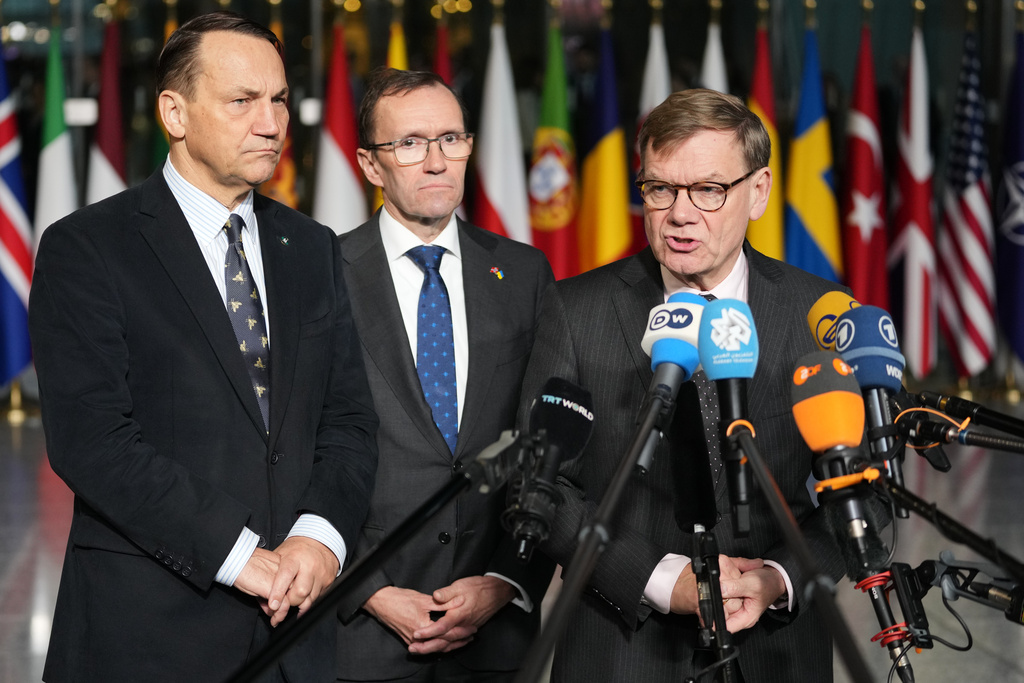
Poland has expressed solidarity with Germany after Berlin formally accused Russia of orchestrating a large-scale disinformation and cyber campaign aimed at influencing Germany’s federal parliamentary elections earlier this year.
The Gaze reports this, citing a post by Polish Foreign Minister Radosław Sikorski on X.
He said Warsaw stood firmly with Berlin after Germany summoned the Russian ambassador over coordinated attempts to destabilize the country ahead of the February 2025 vote.
“We in Poland know very well what Russian hybrid attacks look like,” Sikorski wrote on X. “We stand in solidarity with Germany and remain united with our allies in countering Russian threats.”
Germany’s Foreign Ministry said on Friday that its authorities had established Russia’s involvement in a wide-ranging disinformation operation combined with cyberattacks designed to undermine trust in the electoral process.
According to German officials, the operation – codenamed Storm-1516 – relied on networks of websites posing as legitimate news outlets to spread false narratives targeting mainstream political forces, particularly the conservative CDU/CSU bloc and the Greens.
Among the fabricated claims circulated during the campaign was a video falsely alleging that CDU leader and then chancellor candidate Friedrich Merz had previously undergone treatment for serious mental health issues, supported by forged documents.
Another widely shared false story accused Green Party co-leader and then Vice Chancellor Robert Habeck of involvement in a fictitious €100 million corruption scandal allegedly linked to Ukrainian politicians.
In the days leading up to the election, German authorities also identified disinformation alleging manipulation of postal ballots, including claims that some voters in Leipzig received ballots missing the far-right Alternative for Germany (AfD) party – an allegation officials dismissed as entirely false.
The case has heightened concerns in Germany about foreign interference and hybrid threats. The Federal Office for the Protection of the Constitution (BfV), Germany’s domestic intelligence agency, has warned of a growing risk of disinformation, cyberattacks, espionage and sabotage, and is seeking expanded powers to counter such threats.
Poland has faced similar challenges in recent months. After acts of sabotage on its railway network, Polish authorities reported an increase in Russian information operations attempting to shift blame onto Ukraine and promote alternative narratives.
Both Warsaw and Berlin have stressed that countering Russian hybrid activity remains a shared priority among NATO and EU allies.
As The Gaze reported earlier, Germany has summoned the Russian ambassador following an increase in Moscow’s hybrid attacks aimed at destabilizing the country.
Read also on The Gaze: Putin’s Long Game: Why Europe’s Real Battle Is Now in Its Governments, Not Ukraine