Russia’s Oil and Gas Revenues Plunge to Lowest Level Since 2020
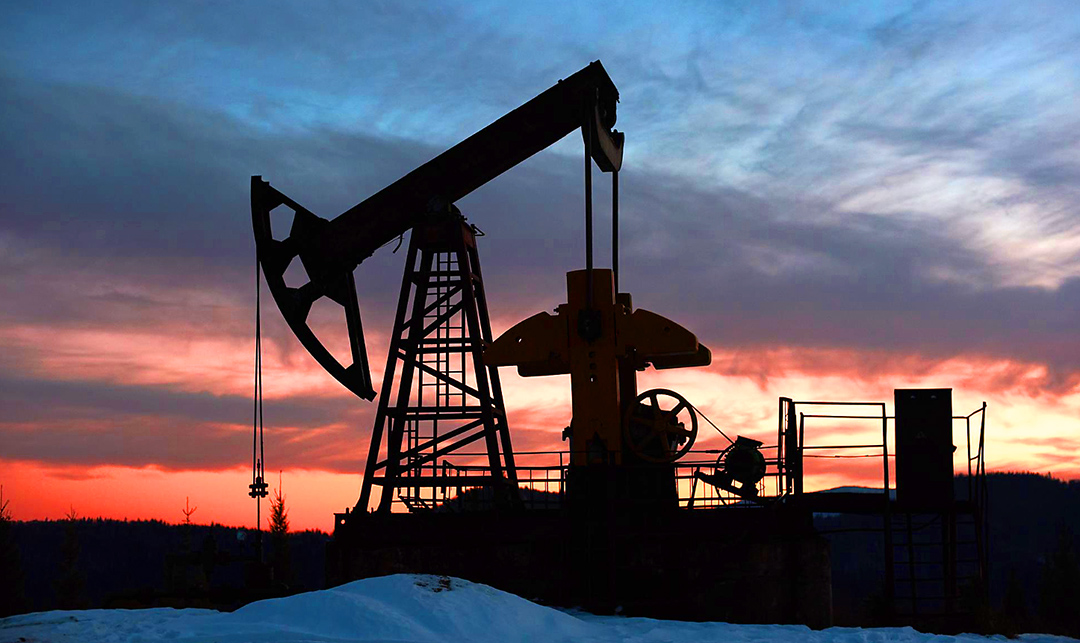
Russia’s oil and gas revenues are falling sharply and may drop in December to their lowest level since 2020, creating serious risks for the country’s budget amid the ongoing war against Ukraine.
The Gaze reports on it, referring to Reuters.
According to Reuters estimates, Russia is expected to receive around 410 billion roubles from oil and gas sales in December, which is almost half of last year’s figure.
The decline is driven by cheaper crude and a stronger rouble, which reduce export earnings. For the Kremlin, this shift is critical, as energy revenues account for a quarter of federal income already strained by record defence and security spending.
By the end of the year, energy revenues will fall by nearly 25% to 8.44 trillion roubles, below the Finance Ministry’s forecast. This marks the lowest level since August 2020, during the COVID-19 downturn.
Experts warn that the December deficit of 1.6 trillion roubles will have to be financed through government bonds, while next year is expected to be even more difficult because the budget was drafted under overly optimistic assumptions about oil prices and the exchange rate.
Analysts also predict that by spring, Russia will be forced to amend its budget and increasingly rely on the National Wealth Fund to cover the deficit.
According to the Ukraine’s Foreign Intelligence Service, Russia’s so-called “war economy” has alreade exhausted its capacity after a period of artificial growth driven by massive state spending. Finance Minister Anton Siluanov has now admitted that such budget pumping cannot continue without triggering severe imbalances, while growth in the defense sector has collapsed from 5% last year to just 0.3% in the first nine months of 2025. Economists warn that despite the Kremlin’s target of 1% GDP growth in 2025, the broader economy is sliding toward stagnation and recession.
Meanwhile, Ukraine and its Western partners continue efforts to curb Russia’s energy revenues, viewing them as a key financial source enabling Moscow to sustain its war.
Although Moscow has managed to reroute exports by shifting supplies to smaller, unsanctioned producers, the sharp drop in revenue is undermining its ability to finance a war machine that requires ever-growing resources. Goldman Sachs noted that Ukraine’s drone strikes on Russian energy infrastructure add further pressure, even as global oil prices remain steady and offer no relief to the Kremlin.
Last month, the Ukrainian military used drones at least 14 times in November to strike Russian oil refineries, tankers, and oil terminals, setting a new record. These attacks significantly hampered the operation of Russian oil refineries, reducing their processing to approximately 5 million barrels per day, whereas typically they processed 5.3–5.5 million barrels per day.
As The Gaze reported earlier, General Oleksandr Syrskyi, the Commander-in-Chief of the Armed Forces (AFU) of Ukraine, emphasized the strategic importance and effectiveness of Ukraine’s deep strike capabilities against Russia.
Read more on The Gaze: Why Ukraine Should be allowed to district of Russian Oil Refineries – Benefits for the US and EU