Rutte and Weber Split Over Europe’s Military Role in Ukrainian Peace Efforts
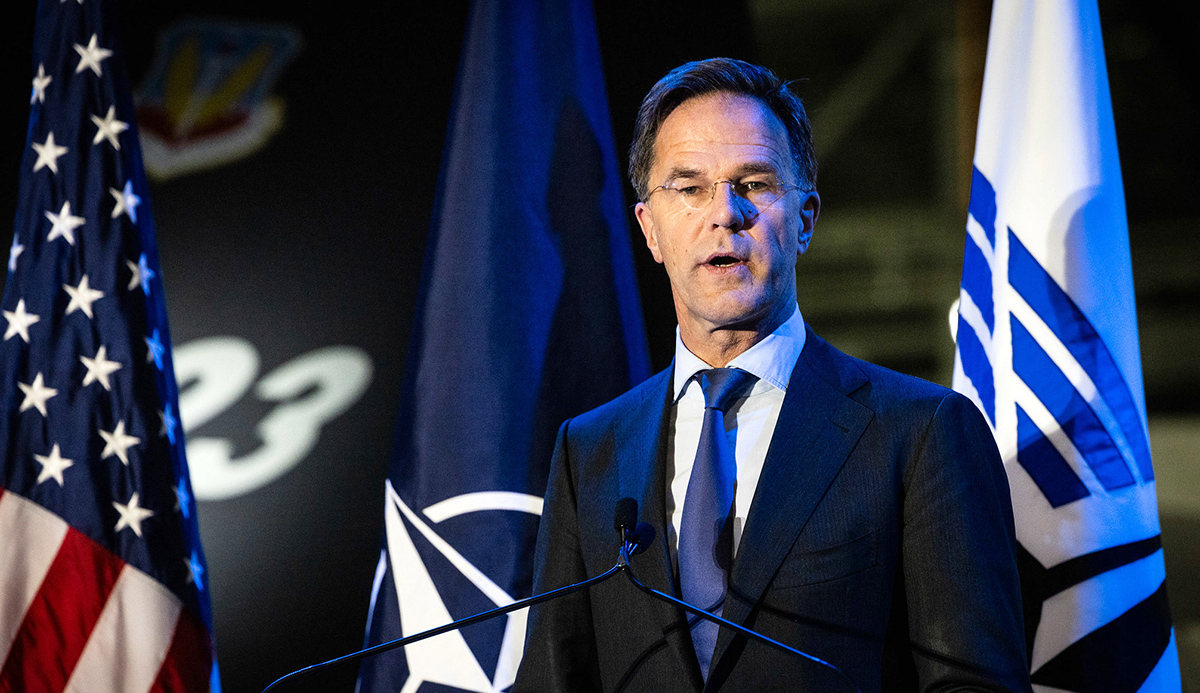
NATO Secretary-General Mark Rutte and European People’s Party leader Manfred Weber have expressed opposing views on the role of Europe and the United States in supporting Ukraine and ensuring its security.
The Gaze reports on it, referring to BILD.
Ahead of Christmas, Rutte called for continued support for Ukraine, emphasizing the importance of maintaining its strength and increasing defense spending within NATO. According to him, if these measures are implemented, the allies will be strong enough to deter any potential Russian attack, and the Kremlin would never dare to act aggressively.
Regarding Europe’s further role in the security architecture and the peaceful resolution of the Ukraine-Russia war, Rutte stressed his full confidence in US support for NATO and rejected Weber’s proposal for a separate “European NATO.” According to him, European security should be shared with American allies.
“I am absolutely convinced that the United States fully supports NATO. There is no doubt about this,” he said.
At the same time, Rutte noted that the US expects European countries to increase their defense spending.
"It is only logical that we gradually take on more responsibility for the defense of Europe—but together with the US, which fully supports NATO, remains in the alliance, and remains in Europe," said the NATO secretary general.
Manfred Weber, in contrast, called for greater European autonomy in military matters. He proposed the participation of German and other European soldiers under a European flag in peacekeeping operations supporting Ukraine.
Weber believes that Europe cannot rely solely on the United States or any single U.S. president to ensure a peaceful resolution of the conflict and emphasizes the need for an active role for Germany and other European countries.
In the context of reduced US military assistance, the European Union and its member states are beginning to act more autonomously in the field of security and defense, providing Ukraine with substantial military, financial, and technological support.
Northern and Eastern European countries, along with the so-called “Big Five” (Germany, France, the UK, Sweden, and Norway), have significantly increased aid, while the EU has introduced new financial instruments, such as the SAFE credit mechanism and planned European Commission loans.
As The Gaze reported earlier, several major European powers have already signaled their readiness to deploy military forces to Ukraine once the war with Russia ends. France, Germany, the United Kingdom and Turkey have given a clear political commitment to participate in a post-war military presence aimed at deterring renewed Russian aggression