Slovakia to Continue Shift Away from Russian Nuclear Fuel
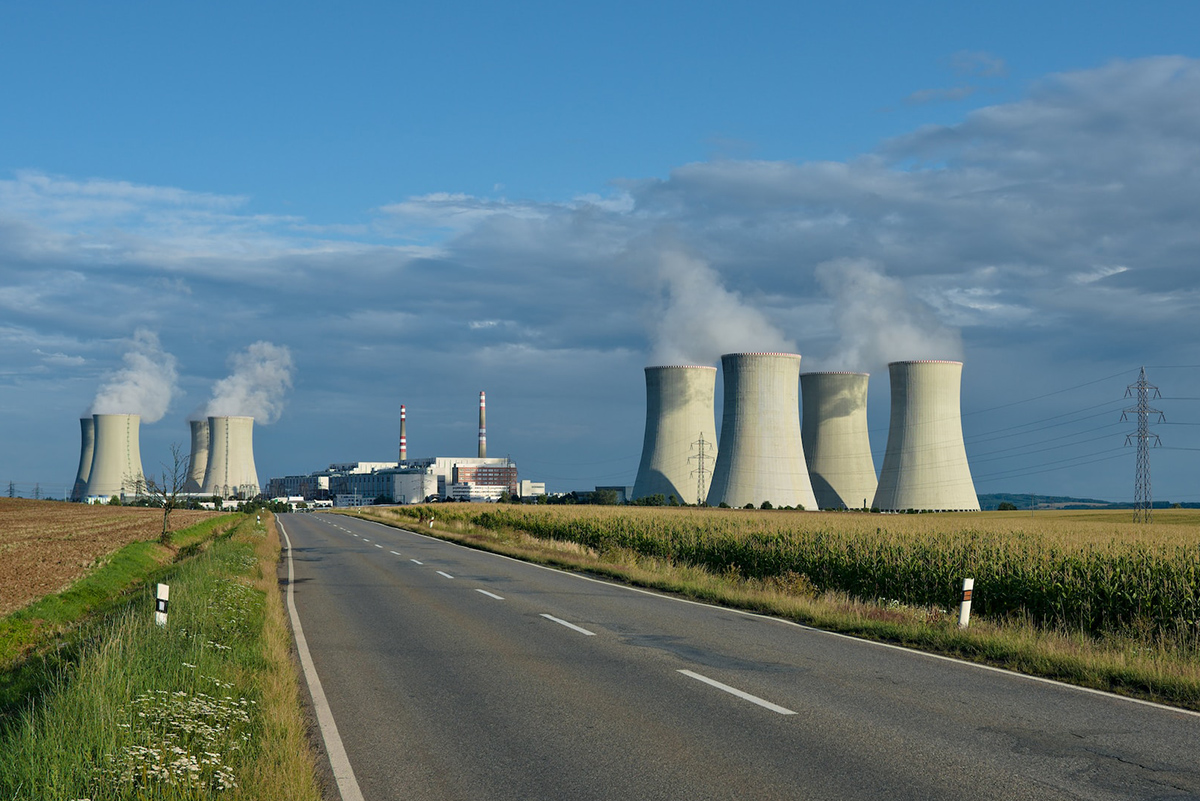
Slovakia intends to transition to American and French nuclear fuel, despite facing criticism from pro-Russian nationalists within the Slovak National Party. Minister of Economy of Slovakia, Denisa Sakova, made this announcement, as reported by Euractiv.
Minister Sakova emphasized that the commitment to move away from Russian nuclear fuel extends not only from Slovakia but also from the European Union. Discussions on this matter have taken place with the director of the Slovenské elektrárne power plant.
In August, the power plant revealed plans for collaboration with the American company Westinghouse. Currently, almost 60% of Slovakia's energy comes from Russian nuclear fuel.
The first shipments of American fuel are expected within a year, pending necessary procedures. The power plant has also signed a memorandum of cooperation with the French company Framatome.
French Ambassador Pascal le Duff confirmed these plans in an interview with Euractiv Slovakia, expressing ongoing negotiations with Slovak companies to establish a new supply chain for nuclear fuel. However, a potential hurdle lies in the absence of a fully operational deep repository for spent nuclear fuel in Europe.
Leader of the Slovak National Party, Andrej Danko, considers the shift away from Russian nuclear fuel a pre-election promise and suggests it is not as straightforward as changing oil in a car. Nevertheless, the new Slovak government continues to implement this plan.
It is worth noting that in early October, Slovakia's government shifted to a pro-Russian stance with the SMER-SSD party, led by former Prime Minister Robert Fico, who is known for his pro-Russian and anti-Ukrainian views, returning to power. Despite these views, Fico pledges not to obstruct Slovak companies in the production and supply of weapons to Ukraine, even though it contradicts his pre-election promises. Fico explains that his opposition pertains only to the transfer of weapons from Slovak military stocks and does not interfere with commercial activities.