Ukraine Secures UN Backing for Chornobyl Resolution Despite Unusual U.S. Opposition
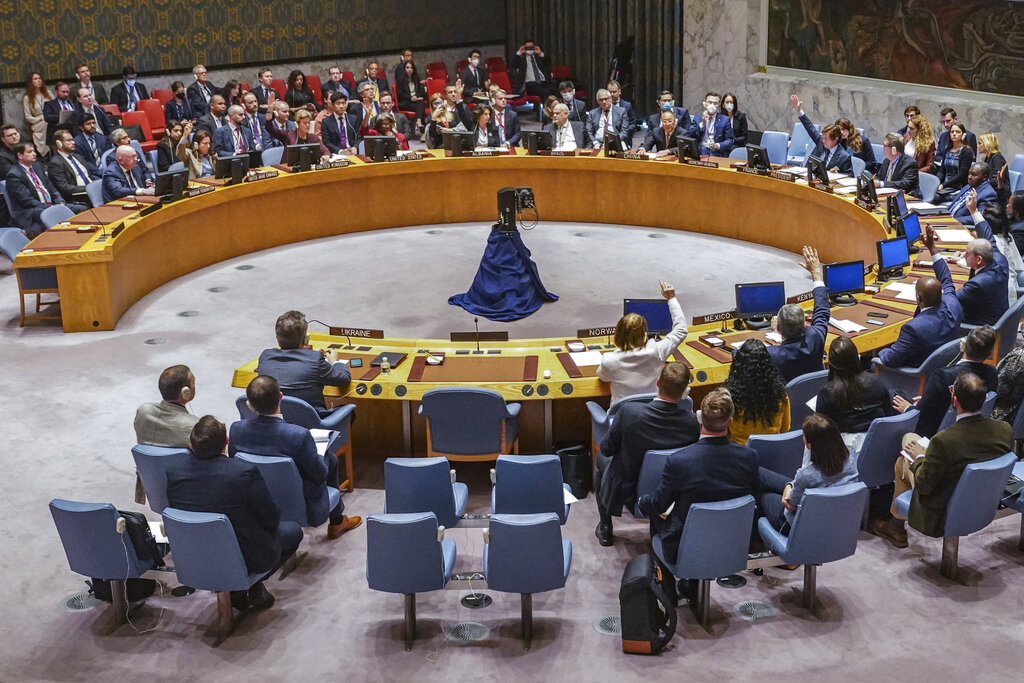
The UN General Assembly has adopted a Ukrainian-led resolution aimed at strengthening international cooperation to study, mitigate and minimize the long-term consequences of the Chornobyl disaster.
The Gaze reports this, referring to a UN broadcast.
The resolution passed with 97 votes in favor, 8 against, and 39 abstentions. The United States unexpectedly joined Russia, Belarus, China, North Korea, Nicaragua and Niger in voting against the document
The text recognizes the enduring impact of the 1986 nuclear catastrophe and underscores the need to support affected regions. It also voices “serious concern” over the 14 February Russian drone strike that damaged the New Safe Confinement structure built to contain radioactive materials at the destroyed fourth reactor.
According to the resolution, the incident threatens “decades of international progress” in securing the site and requires additional global assistance for repairs.
The General Assembly also scheduled a special commemorative session on 24 April 2026 to mark the 40th anniversary of the disaster.
The resolution formalizes the use of “Chornobyl” – the Ukrainian transliteration – in all UN documents, replacing the Soviet-era spelling “Chernobyl.” The change will apply, among other things, to the official name of the International Day of Remembrance observed annually on 26 April.
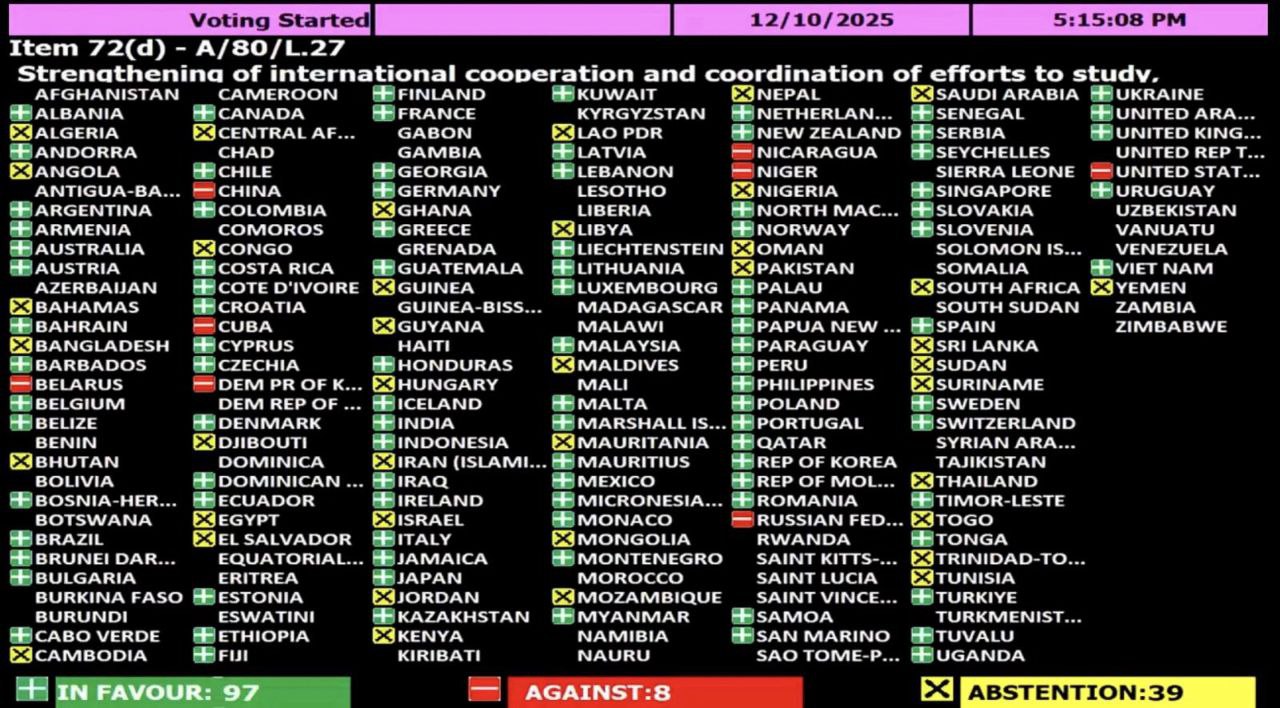
A representative of the U.S. delegation stressed that Washington’s vote did not reflect a shift in its position on Ukraine’s nuclear security. Instead, the U.S. objected to references connected to the UN 2030 Agenda, which, according to the diplomat, advance a form of “soft global governance incompatible with U.S. national sovereignty.”
She emphasized that the United States will continue to support international nuclear safety initiatives and efforts to prevent incidents at Ukrainian nuclear facilities.
Ukrainian Foreign Minister Andrii Sybiha welcomed the resolution, saying it not only corrects the transliteration but also highlights “crimes committed against the Ukrainian people” and the threats Russia poses to global nuclear safety.
Sybiha added that Russia had attempted to use Belarus to promote an alternative version of the document that omitted any mention of Russia’s attacks on Chornobyl-related infrastructure. All Belarusian amendments were rejected.
Following the February strike, the IAEA reported on 6 December that the New Safe Confinement can no longer fully contain radioactive materials, prompting the agency to deploy an additional mission to the site. Despite significant structural damage, Ukrainian authorities said radiation levels did not rise after the attack.
As The Gaze reported earlier, on October 2, a Russian drone attack on a power substation in the town of Slavutych triggered a blackout lasting more than three hours at facilities of the decommissioned Chornobyl nuclear power plant.
Read more on The Gaze: Russian Threats to NATO and Europe in 2025