Ukraine’s $524B Reconstruction: MilTech, Agriculture, Minerals, and Digital — Where the U.S. and Europe Invest
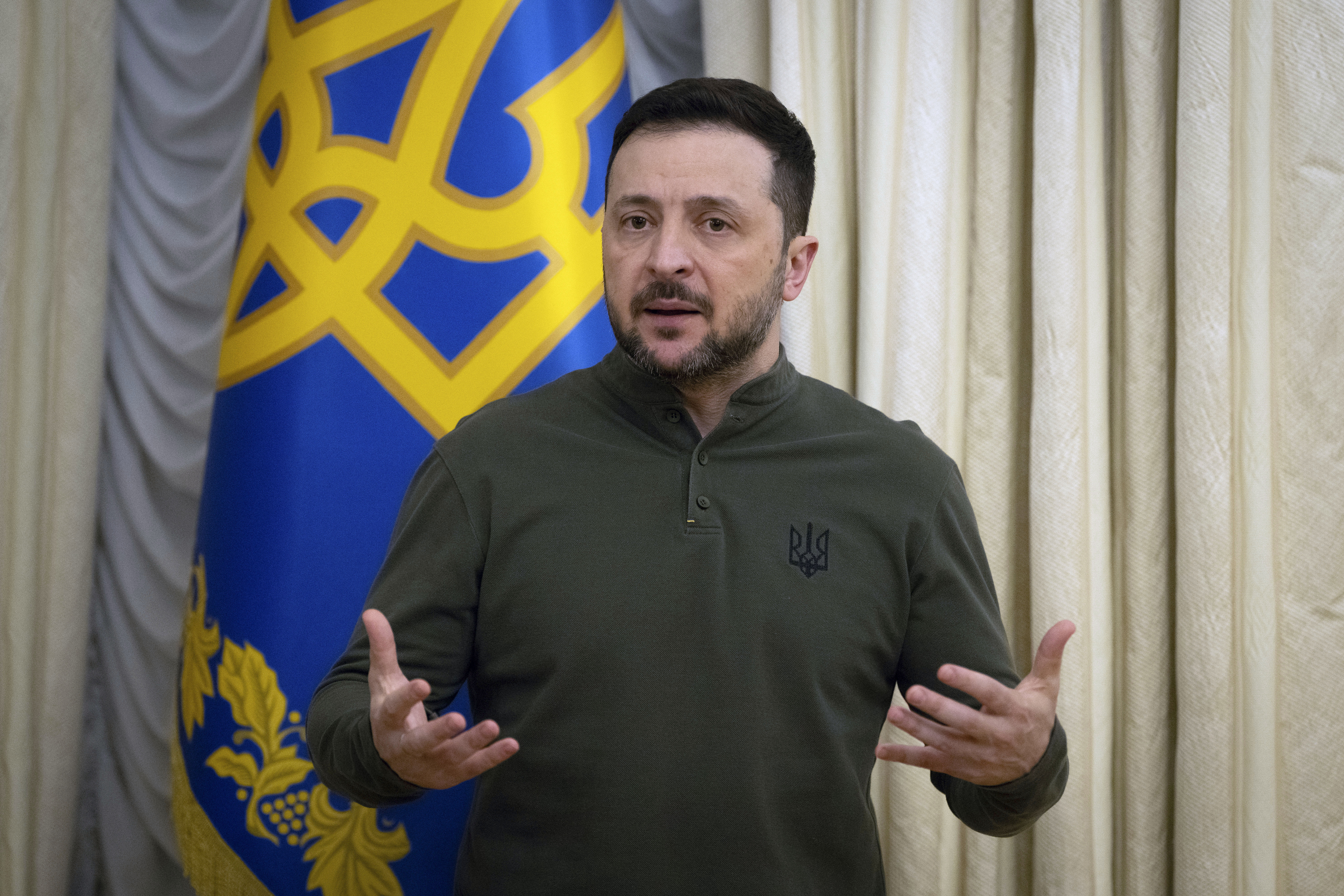
Ukraine offers thoughtful incentives, public-private partnerships, and mutually beneficial cooperation for investors as the foundation of postwar reconstruction
The economic landscape of Ukraine in 2025 is attractive for American and European enterprises, especially in the sectors of military technologies (MilTech), agriculture, raw materials, and digital services.
In the process of recovery after the Russian invasion, the country has demonstrated resilience: forecasted GDP growth is 3.9%, and foreign direct investments (FDI) have increased by 12% compared to the previous year. This growth is supported by international partnerships, in particular the Association Agreement between the EU and Ukraine and the Ukraine Reconstruction Investment Fund (USURIF), which emphasize mutual benefit through the integration of supply chains and joint innovations.
Although challenges such as wartime disruptions, corruption, and regulatory obstacles remain relevant, government incentives such as tax benefits, customs privileges, and infrastructure support for investments exceeding 12 million euros make market entry attractive. Ukraine's EU accession process contributes to further alignment of standards, reduction of barriers, and improvement of market access for Western companies.
The total reconstruction market volume is estimated at 524 billion dollars over the next decade, with the main needs falling on housing (84 billion dollars), transport (77.5 billion dollars), energy (67.8 billion dollars), and industry (64 billion dollars).
Regional centers such as Kyiv (business recovery index 78/100), Lviv (89/100), Odesa (81/100), and Dnipro (72/100) offer a significant amount of workforce and infrastructure, making them ideal for market entry.
Public-private partnerships (PPPs) have been reformed to simplify procedures, offering tax benefits for up to seven years and war risk insurance from institutions such as the U.S. Development Finance Corporation (DFC, 2.8 billion dollars) and the British Export Finance Corporation (UKEF, 3.5 billion pounds sterling). These mechanisms are aimed at reducing investment risks with a forecasted internal rate of return (IRR) of 12-18% through blended financing that mobilizes 18 billion dollars.
Great Interest Is Attracted to Military Technologies (MilTech)
Ukraine's defense sector is generating growing interest from investors from the USA and EU, and events such as Defense Tech Valley 2025 emphasize cooperation in the field of drones, electronic warfare, and artificial intelligence-based systems. For example, U.S.-led funds have allocated 15 million dollars to companies such as Swarmer, and EU initiatives fund grants for innovations. This sector benefits from Ukraine's battle-tested experience, offering mutual benefits in NATO-compatible technologies and supply chain resilience. Incentives include tax benefits for R&D projects (Research and Development) worth over 12 million euros.
Ukraine's defense technology sector has become a center of innovation, driven by war needs and a skilled workforce. In 2025, at events such as Defense Tech Valley in Lviv, investments from U.S. and EU funds totaling over 100 million dollars were announced, including 15 million dollars from the American company Broadband Capital Investments in Swarmer (drone swarm technology) and 20 million euros from the Dutch company NUNC Capital.
European defense technology startups received 500% investment growth in 2021-2024, and Ukraine has taken leading positions thanks to real-world testing of drones, electronic warfare means, and artificial intelligence systems.
American investors are attracted by NATO-compatible achievements, and cooperation with the EU includes Horizon Europe grants for dual-use technologies. USURIF is exploring opportunities to expand MilTech, potentially bypassing DFC restrictions for wartime conditions, to support drone production and cybersecurity.
Reconstruction needs in this sector amount to 18.5 billion dollars, with 11.2% return on investment and 30% private sector potential. Mutual benefits include strengthening Western defense capabilities against threats such as Russian ones, taking into account Ukraine's experience in demining and intelligence sharing.
Traditionally, Agricultural Projects Are in the Focus of Investors
As a major grain exporter, Ukraine provides access to vast amounts of arable land and established trade links with the EU within the framework of the Deep and Comprehensive Free Trade Area (DCFTA). Opportunities include modernization of processing using Western technologies, with reconstruction needs amounting to 55 billion dollars and forecasted return on investment of 15.8%.
As the “breadbasket of Europe,” Ukraine provides 10% of GDP and 40% of exports through agriculture, remaining a leading global supplier despite war disruptions. The country supplies nearly 50% of the EU's grain imports, 80% of sunflower oil, and 25% of poultry, strengthening EU food security.
Opportunities for American and European companies lie in the processing of agricultural products, application of sustainable technologies, and digital supply chains, where demand from the EU and Asia exceeds supply. Land reforms implemented since 2021 allow foreign business entities to acquire up to 10,000 hectares of land, supported by government incentives of 1 billion UAH (25 million USD) in 2025.
EU accession could add a third to the EU's arable land, increasing the share of global wheat exports to 30%, although alignment with Common Agricultural Policy (CAP) standards is necessary. The updated EU-Ukraine trade agreement increases duty-free quotas for agricultural exports, including grain, flour, and poultry, while introducing safeguards such as automatic tariffs if imports exceed average levels. Despite this, countries such as Poland maintain unilateral bans on certain products.
Ukraine Offers Conditions for Investments in Minerals: a Path to Diversification and Recovery
Rich in critical minerals such as titanium (the largest deposits in Europe) and lithium (500,000 tons), Ukraine enables U.S. and EU companies to diversify their operations to avoid global dependence. The U.S.-Ukraine Fund targets projects such as lithium mining, with initial capital of 150 million dollars. Integration through EU standards supports the circular economy, with incentives such as compensation for infrastructure costs.
Ukraine possesses 5% of the world's mineral resources, including 25 of the 34 materials critical for the EU, such as titanium (the largest in Europe), lithium (500,000 tons), graphite (20% of global volume), manganese, and cobalt. They support the green transition, battery production, and defense, reducing EU dependence on China (98% of rare earths).
Partnership with the EU under the 2021 CRM agreement allows joint investment in processing. Incentives include tax benefits for mining projects, with energy/raw materials reconstruction amounting to 67.8 billion dollars and 14.3% return on investment.
Challenges are related to outdated surveys and disputed territories, but EU membership could position Ukraine as a CRM center. The U.S.-Ukraine minerals agreement (April 2025) directs 50% of revenues from new projects to reconstruction, granting the U.S. negotiation rights for selection without direct ownership, while exempting existing operations from taxation.
Significant Remains Ukraine's Investment Potential in Cybersecurity and Innovations
With 200,000 IT specialists and innovations such as the Diia app (22 million users, launch of the world's first national AI assistant providing public services), Ukraine has achieved success in software research and development, artificial intelligence, and fintech. American companies such as Mastercard and AWS cooperate in cybersecurity and cloud technologies, and ties with the EU expand digital trade agreements. Reconstruction offers opportunities worth 22.4 billion dollars with a return on investment of 22.6%.
The IT sector, accounting for 3.4% of GDP, exports to 147 countries, has 200,000 specialists, and 90% internet penetration. Key concepts of the Ukraine Tech Conference 2025 include artificial intelligence models, cybersecurity, and fintech, as well as cooperation with American companies such as AWS, NVIDIA, and Mastercard. IT exports reached 6.45 billion dollars in 2024, slightly less than 7.3 billion dollars in 2022 due to the war, but remain resilient.
In 2025, Ukraine will Become a Strategic Hub for US and EU Businesses
Ukraine offers $524 billion in reconstruction opportunities with IRR (internal rate of return) 12–22% thanks to public-private partnerships, risk insurance (DFC, UKEF), and incentives for investments >€12 million. Ukrainians were able, under conditions of a severe war, to identify priorities and offer a roadmap for changes and investments in key sectors — MilTech ($18.5 billion, leadership in drones and AI), agrotech ($55 billion, modernization of processing for the Deep and Comprehensive Free Trade Area), critical minerals (titanium, lithium for green diversification), and digital innovations ($22.4 billion, 200 thousand IT specialists, Diia).
Despite wartime challenges, EU accession, reforms, and regional centers, Ukraine ensures stable GDP growth of 3.9%, foreign direct investments +12%, and mutual benefit in supply chains, defense, and food security. This demonstrates the balance of government plans and the readiness of authorities to rely on the strengths of a society that, in the fourth year of the war, is ready to fight not only on the front but also in the rear, supporting the economy and laying the foundations for large-scale reconstruction. And in this matter, Ukrainians need the help of partners who are gradually increasing support and considering investments in Ukraine not only as a risky affair but also as a contribution to strengthening stability and security in Europe.
Danylo Yershov, political scientist specializing in international relations, junior expert at the United Ukraine Think Tank