Europe Has Chosen Half Measures For Ukraine — WSJ
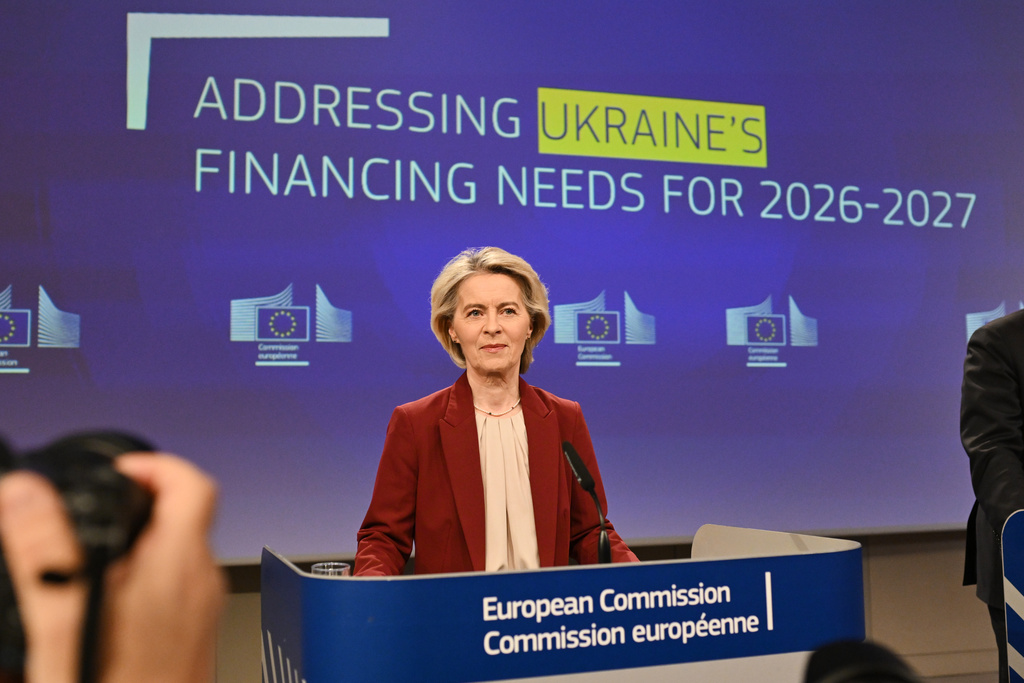
The EU is reluctant to use Russia's frozen assets.
The Gaze reports on it according to WSJ.
If Russia does defeat Ukraine, history will record that Western Europe and the US lacked the will to take more decisive action to block the Kremlin's imperialism. The latest example of this is the European Union's decision to grant Ukraine a loan after it failed to gain access to Russia's frozen assets held in Europe.
The €90 billion loan to Ukraine will at least alleviate the looming liquidity crisis that would have weakened its position in peace talks. The EU loan will cover Ukraine's financial needs until 2027, and under the agreement reached this week, Kyiv will repay it only after Russia pays reparations. Unlike previous financial support, this loan can also be used for the needs of the Ukrainian army, notes the editorial board of The Wall Street Journal.
An important ‘element’ of the loan is ‘Ukraine's continued commitment to the rule of law, including the fight against corruption.’ Recent corruption scandals have rocked Ukraine, although there has been no evidence of embezzlement of Western funds. European guarantees reinforce the efforts of Ukrainian reformers in the fight against corruption.
The agreement also stipulates that Russian assets will remain frozen until the Kremlin pays reparations, and last week the EU took extraordinary measures to prevent long-term sanctions from being blocked by countries sympathetic to Moscow, such as Hungary.
The EU will borrow funds for the loan on capital markets rather than relying on member states' debt obligations. Hungary, Slovakia and the Czech Republic have refused to participate.
At the same time, these are only half-measures, as Europe has been unable to agree on the use of approximately $245 billion in frozen Russian assets in Europe, most of which are held in Belgium at the Euroclear financial institution.
This so-called reparations loan met with fierce resistance from Belgian Prime Minister Bart De Wever, who feared that Brussels could be left with billions in debt if something went wrong. Europe rushed to offer burden-sharing guarantees, but the Belgian prime minister did not budge.
Russia threatened retaliation if the EU went ahead with the reparations loan, and there is a risk that the Kremlin will decide that its intimidation tactics have been successful. Suspicious drones have already been spotted over Belgian military facilities and infrastructure.
"It's hard to believe that Vladimir Putin can sow bloody chaos in Europe for four years and still get his money back. President Trump sees frozen assets as bait to force Russia to agree to a truce. This means that Ukraine will have to settle for a loan and whatever weapons it can buy to survive," the editorial board concluded.
As the Gaze reported earlier EU Leaders Discuss “Reparations Loan” for Ukraine Using Frozen Russian Assets.