France and Italy Reassured: EU Mega-Loan for Ukraine Won’t Worsen Debt
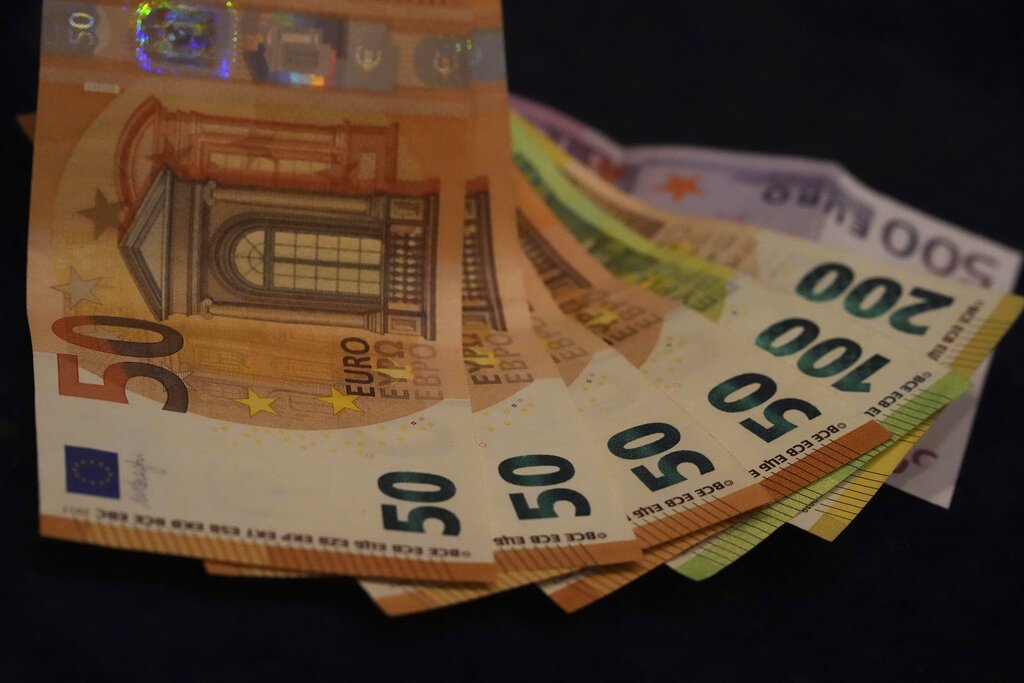
France and Italy received assurances from the EU’s statistics office that the €210 billion mega-loan for Ukraine will not worsen their already high public debt levels.
The Gaze reports on it, referring to Politico.
Paris and Rome had requested clarification from Eurostat on how the financial guarantees underpinning the Ukraine loan would be treated under EU rules on government spending, as both countries carry debt exceeding 100% of their GDP.
On December 10, 2025, Eurostat sent a letter to the European Commission explaining that the guarantees, secured by frozen Russian state assets in Belgium, will be considered contingent liabilities. In other words, they would only affect national debt if actually triggered.
The letter is expected to alleviate fears that signing the loan agreement could undermine investor trust or increase borrowing costs for high-debt countries. This is particularly important as EU leaders prepare to discuss the funding package at next week’s summit. Failure to reach an agreement could leave Ukraine without sufficient funds to sustain its defense against Russian forces next year.
The EU Commission has proposed that all member states share the risk, providing guarantees only in the event that Russia recovers its sanctioned assets held in the Euroclear deposit.
Eurostat emphasized that none of the conditions triggering the guarantees are likely to occur and that responsibility for any payout would rest with the Commission rather than individual countries.
Germany is expected to carry the largest share of the guarantees, around €52 billion, while Hungary has refused to participate, further increasing the burden on other member states.
A key risk remains the potential unfreezing of Russian assets if pro-Kremlin countries block the renewal of EU sanctions, which must be unanimously confirmed every six months.
Meanwhile, the EU Council has the tools to ensure that frozen Russian assets can be used to provide reparations to Ukraine, but a political decision is still required. Experts note that the EU Treaty allows for flexibility in sanction durations, prioritizing the lifting of sanctions only if objectives are met, which would shift the burden of proof onto Russia’s advocates.
The European Commission is exploring using Article 122 of the EU Treaty to enable a qualified majority vote for extending sanctions until Russia ends the war and pays reparations.
While legal mechanisms exist to protect the assets and neutralize Belgium’s objections, failure by the EU Council to act before the next sanction renewal deadline at the end of January could jeopardize both reparations and the continuation of frozen assets, benefiting Russia’s war efforts.
As The Gaze reported earlier, seven European Union member states have called on the bloc’s top leadership to unlock frozen Russian assets in order to finance a new “reparations loan” for Ukraine.
Read more on The Gaze: Using Frozen Russian Assets for Ukraine's Reconstruction: Creating a Reparations Fund to Restore Justice