Two Batswana Recruited for Russia’s War Effort Highlight Wider Pattern, Kyiv Says
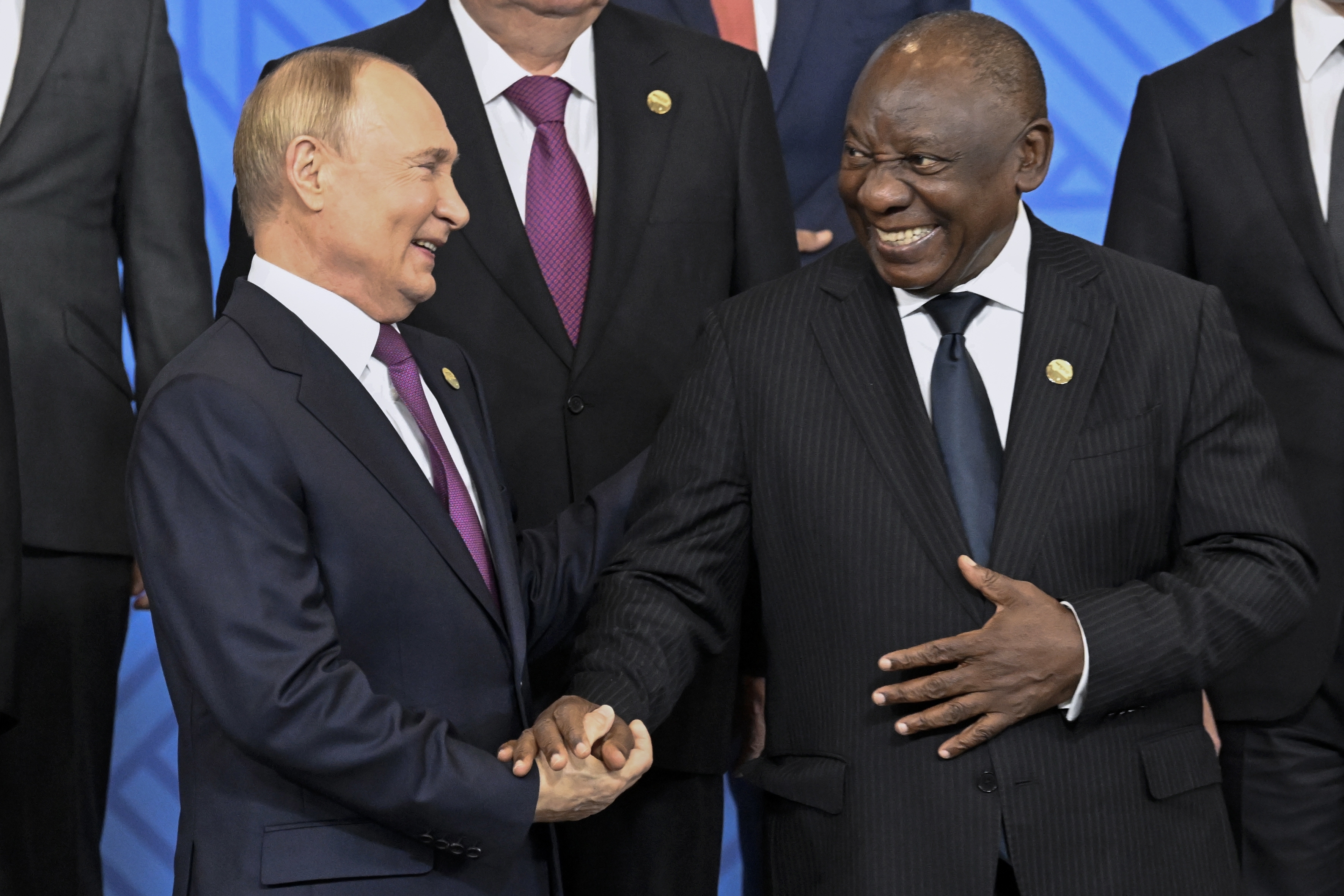
Ukraine has highlighted a growing pattern of foreign recruitment by Russia, as two young citizens of Botswana were reportedly lured into Russia’s war against Ukraine.
The Gaze reports on it, referring to the Ministry of Foreign Affairs of Ukraine on Facebook.
The Ministry of Foreign Affairs of Ukraine issued a detailed statement in response to a press release from Botswana’s Ministry of International Relations on December 15. It reported that two citizens of Botswana, aged 19 and 20, were allegedly victims of deceptive recruitment schemes linked to Russia.
The statement expressed serious concern that the young Batswana may have been manipulated and misled with false promises aimed at drawing them into an aggressive war. The Ministry emphasized that since the beginning of Russia’s full-scale invasion of Ukraine, Russian authorities have systematically recruited foreigners, particularly from African countries, through offers of training, employment, or short-term programs.
These practices are no longer isolated incidents. “They represent an organized and systematic policy carried out by the Russian state apparatus within the framework of its aggressive war against Ukraine,” the statement said. The Ministry stressed that such actions constitute a blatant violation of international law, humanitarian norms, and human rights.
Ukraine welcomed and supported proactive steps by the government of Botswana to verify the circumstances, engage diplomatic and law enforcement channels, and warn citizens about dubious international recruitment schemes.
Meanwhile, the authorities in Botswana are working to confirm the facts of the case and repatriate the citizens, while also cautioning others to be careful about overseas offers.
Similar cases have been reported in other African countries, including young citizens of Nigeria and Senegal, who were deceived into joining Russian military units and often sent to dangerous combat missions without proper preparation.
Under a 2024 decree by Vladimir Putin, foreigners who sign one-year military contracts can fast-track citizenship, making this a powerful recruitment tool targeting vulnerable students and migrant workers in Russia. Reports indicate that some recruits, including women, have been sent to military factories under harsh conditions, assembling drones or performing forced labor.
The so-called “Africa Corps,” a rebranding of Wagner-style operations, also continues this exploitation under the guise of peacekeeping, effectively serving as a manpower reserve for Russia’s war effort. Despite international awareness, Moscow has shown little interest in repatriating captured fighters, while their home countries often hesitate to intervene due to political or legal concerns.
As The Gaze reported earlier, Ukraine’s Foreign Minister Andrii Sybiha stated that at least 1,436 individuals from 36 African countries are currently involved on Russia’s side, with many being sent directly to high-casualty “meat assaults” and treated as expendable. He urged African governments to warn their citizens against joining the conflict and called on those already on the front lines to surrender, assuring humane treatment under international humanitarian law.
Read more on The Gaze: Russian Language as a Tool of Power: Africa in Moscow’s Sight