Lithuania Probes Possible Use of EU-Funded Technologies in Russian Military Industry
Lithuanian law enforcement authorities are investigating the possible illegal use of EU-funded technologies in the military industries of Russia and Belarus.
The Gaze reports on it, referring to LRT.
According to investigators, equipment produced by Lithuanian companies with financial support from the European Union may have been unlawfully exported to Russia and Belarus and used for military purposes.
Several scenarios are being examined, including the suspected involvement of an organized criminal group made up of citizens of Lithuania, Russia, and Belarus.
As part of the investigation, several individuals were detained last week, and charges have been brought against five people and one company. Law enforcement officials also carried out more than ten searches across Lithuania, including at private residences, workplaces, company premises, and vehicles.
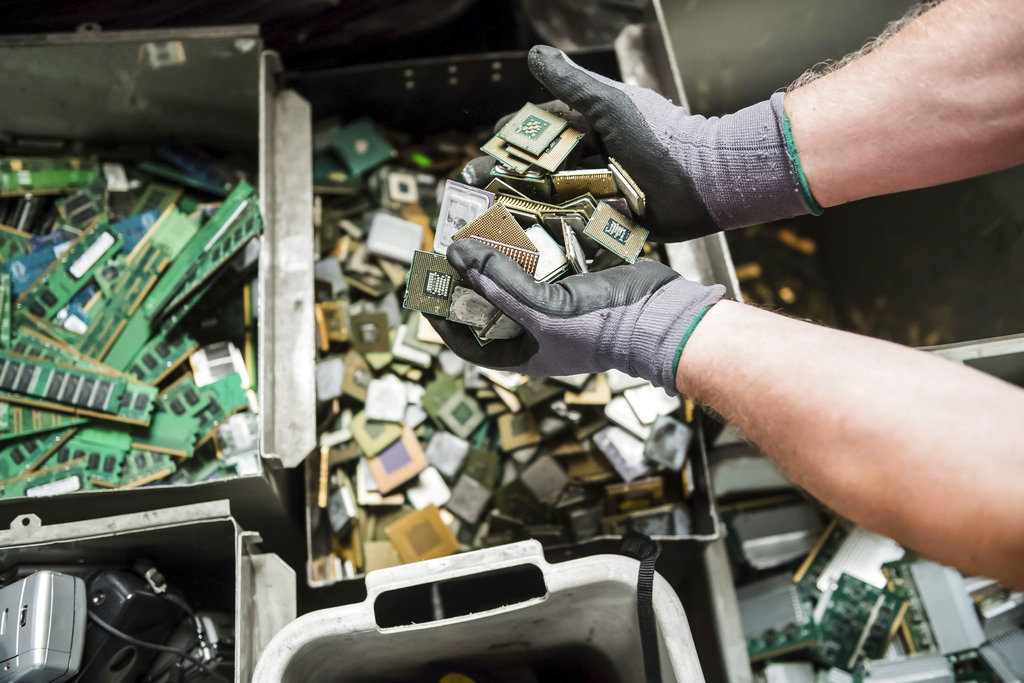
Investigators are focusing on the seizure of microchips, electronic components, and other high-tech equipment, particularly products designed for navigation and satellite systems.
Authorities said some of the companies that received EU funding were effectively controlled by detained Russian and Belarusian nationals, and their activities have been classified as a threat to Lithuania’s national security.
Russia’s continued reliance on foreign supplies for its weapons production is both predictable and revealing, given the restrictive policies adopted by European states to limit Moscow’s access to dual-use materials.
As the EU and its partners tightened export controls after the full-scale invasion of Ukraine, Russia increasingly turned to indirect import channels to sustain its military industry. However, while these measures signal political resolve, they remain far from sufficient, as significant volumes of sanctioned or sensitive products still find their way into Russia.
One clear example comes from Ukraine’s Defence Intelligence that identified 68 new foreign-made components in Russian missiles and drones used in large-scale attacks on Ukrainian cities and energy infrastructure.
These components were found in advanced systems such as Iskander-K and Kinzhal missiles, Iranian-designed Shahed drones, and North Korean ballistic missiles. The parts originate from a wide range of countries, including the United States, China, Japan, Switzerland, and Taiwan.
As The Gaze reported earlier, Russia has built a new loophole by importing Uzbek cotton fiber, which can be chemically processed into nitrocellulose for gunpowder and solid rocket fuel, avoiding EU restrictions on cellulose.
Read also on The Gaze: Why does China increase the supply of dual-use goods to Russia?