Russian Oil and Gas Revenues Fall in 2025: Why It Happened and How to Cut Off the Main Source of War Financing
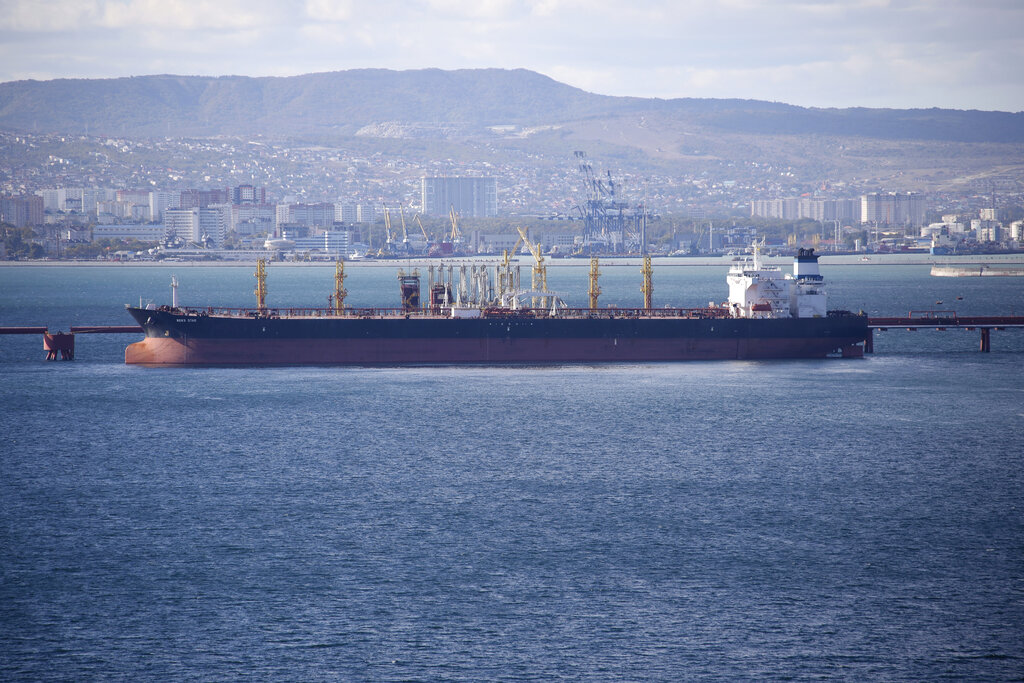
The decline in oil and gas revenues in Russia in 2025 opens a window for the West to weaken the war economy
The drop in revenues from oil and gas exports in Russia in 2025 has become evident even according to Moscow’s own official estimates. The Kremlin was forced to lower its forecast for hydrocarbon sales revenues by approximately 15% compared to the previous year – to about $200 billion compared to $235 billion in 2024. This trend indicates that the financial model of Russia’s war economy is beginning to crack, but the key question is how to transform this trend into systemic pressure that will deprive Putin of the resources to continue the war.
India Demands Bigger Discounts – A Signal That Even Partners Are Unwilling to Pay for Risk
One of the main reasons for the revenue decline is the increasingly stringent demands from buyers for price discounts. Indian oil refineries, which became the primary consumers of Russian oil after the imposition of European sanctions, began demanding even larger discounts in August–September. This is driven by risks: insuring tankers is becoming more expensive, banks are increasingly reluctant to process payments, and the threat of secondary sanctions from the United States makes trade perilous. As a result, the average price of Russian oil for India is falling, costing the Kremlin tens of millions of dollars monthly.
Price Cap Works, But It Needs to Be Strengthened
The price cap mechanism on Russian oil, introduced by the G7 and EU countries, has proven its effectiveness. However, under current conditions, it requires adaptation. European governments have already lowered the cap to $47.6 per barrel, making exports less profitable and sharply limiting Moscow’s profits. Even maintaining export volumes does not offset the losses from reduced margins. The cap reveals a simple truth: the lower the threshold, the fewer resources the Kremlin has.
Strikes on Infrastructure Reduce Physical Export Volumes
An additional factor has been strikes on oil refineries and port infrastructure. Ukrainian attacks in 2024–2025 forced Russia to temporarily halt certain production facilities, leading to a drop in exports in specific months. This means that even with sustained demand, Russia is unable to maintain previous shipment volumes. For Moscow, this is a double blow: loss of revenue and the need to spend billions on facility repairs.
Sanctions-induced isolation has created a new problem for Russian companies – a sharp increase in costs for logistics, insurance, and technological substitutes. By the end of the first half of 2025, the profits of Russia’s largest energy companies declined despite high export volumes. In simple terms, the Kremlin is selling a lot but earning less. This also impacts tax revenues, which account for up to 40% of Russia’s budget.
How to Cut Off the Key Source of Revenue
To turn the trend of declining revenues into a long-term one, a comprehensive approach is needed. First, the West must lower the price cap, forcing Russia to sell oil at near-cost prices. Second, it is critical to impose secondary sanctions on banks and traders in China and the UAE that facilitate Russian transactions in yuan and dirhams. Third, insurance and freight restrictions must be tightened to a level where transporting Russian oil becomes economically unviable. Finally, diplomacy with key buyers – primarily India – must make it clear: trading with the Kremlin means financing the war.
“Power of Siberia-2”: Memorandum with China as an Attempt to Escape Dependence on Europe
In May 2024, Russia and China signed a memorandum on the construction of the “Power of Siberia-2” gas pipeline, which is intended to become the main alternative to the lost European energy infrastructure. The pipeline is planned to have a capacity of 50 billion cubic meters of gas per year – almost as much as Russia supplied to Europe via Nord Stream before 2022. The Kremlin hopes this project will redirect energy flows to the East and compensate for the loss of revenue from exports to the EU.
However, in practice, the prospects are far more complex. First, China is in no hurry to finance the construction and demands more favorable terms, including steep gas price discounts. Second, even if construction begins soon, the pipeline will not be operational before the end of the decade. This means that in the medium term, the Kremlin will not see significant revenue from this project.
For Ukraine and the West, it is important to understand: “Power of Siberia-2” is not only an economic but also a geopolitical project. It aims to demonstrate that Moscow and Beijing are creating an alternative energy system that minimizes the impact of sanctions. In reality, however, this memorandum only underscores Russia’s strategic vulnerability: instead of diversifying markets, it is effectively becoming dependent on a single buyer – China.
Russia’s energy machine is already faltering: revenues are falling, partners demand discounts, and costs are rising. But this is just the beginning. If the West takes the next steps – strengthening the price cap, imposing secondary sanctions, and continuing physical pressure on infrastructure – the Kremlin’s main source of revenue can not only be limited but turned into a chronic budget deficit. This would mean one thing: less money for the war, more opportunities for Ukraine and Europe to stop the aggressor.
Volodymyr Kuznetsov, communications specialist, expert at the United Ukraine Think Tank