Sunken Russian Cargo Vessel Allegedly Transported Nuclear Technology to North Korea
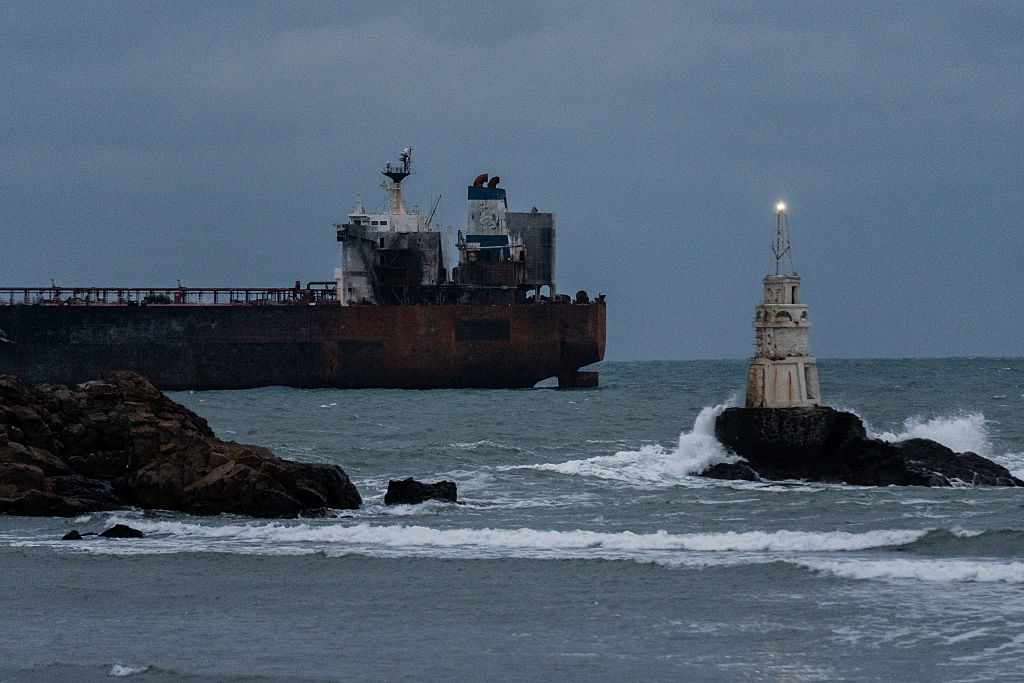
A Russian cargo vessel that sank in the Mediterranean Sea off the coast of Spain was allegedly carrying undeclared nuclear technology destined for North Korea.
The Gaze informs about it, referring to La Verdad.
Investigators concluded that the ship, Ursa Major, which went down near the port city of Cartagena in December 2024, was transporting two nuclear reactor units concealed as civilian cargo. The reactors were reportedly VM-4SG–type reactor hulls believed to be intended for delivery to Pyongyang.
The vessel was operating as part of Russia’s so-called “shadow fleet” – a network of ships used to evade international sanctions, and was sailing along an unusual route from Saint Petersburg to Vladivostok via the Mediterranean Sea, rather than the more conventional northern or eastern passages.
According to the probe, the ship’s captain declared the cargo as empty containers, port cranes, and auxiliary equipment. However, aerial surveillance images later revealed several heavy, undeclared containers secured at the stern, raising suspicions about the true nature of the shipment.
Spanish maritime authorities reported that on December 22 the vessel abruptly altered course and lost propulsion. A distress signal was transmitted the following day from a position roughly 60 nautical miles off Cartagena.
A forensic assessment of the wreckage indicated a breach in the hull with metal bent inward, suggesting an external strike rather than an internal explosion. While the damage pattern did not match that of a conventional torpedo, investigators said it was consistent with an impact from a supercavitating armor-piercing torpedo with a limited explosive charge.
Spanish officials have not ruled out deliberate interference, suggesting the incident may have been an attempt to prevent the covert transfer of sensitive nuclear technology to the regime of Kim Jong Un.
Tensions reportedly escalated at the scene after the arrival of the Russian landing ship Ivan Gren, which demanded that Spanish vessels withdraw from the area. Following the use of signal flares and electronic countermeasures, Ursa Major disappeared from the surface and later sank to an estimated depth of around 2,500 meters.
Ursa Major had previously been linked to the transportation of Russian military supplies to Syria and was considered the largest dry cargo ship in Russia’s fleet. Built in Germany approximately 15 years ago, the vessel was relatively new by commercial shipping standards, making its loss particularly significant for Moscow.
As The Gaze reported earlier, Russia plans to bring in about 12,000 North Korean workers to make long-range drones in Tatarstan to keep up terrorist attacks on Ukraine.
In addition, North Korea supplies Russia with 35 to 50% of all its ammunition needs, becoming one of the main sources of weapons for the war against Ukraine.
Read also on The Gaze: North Korean Leader Describes Alliance with Russia as “Sharing Life and Death”