Ukraine’s Foreign Minister Outlined Major 2025 Successes in Deterring Russia
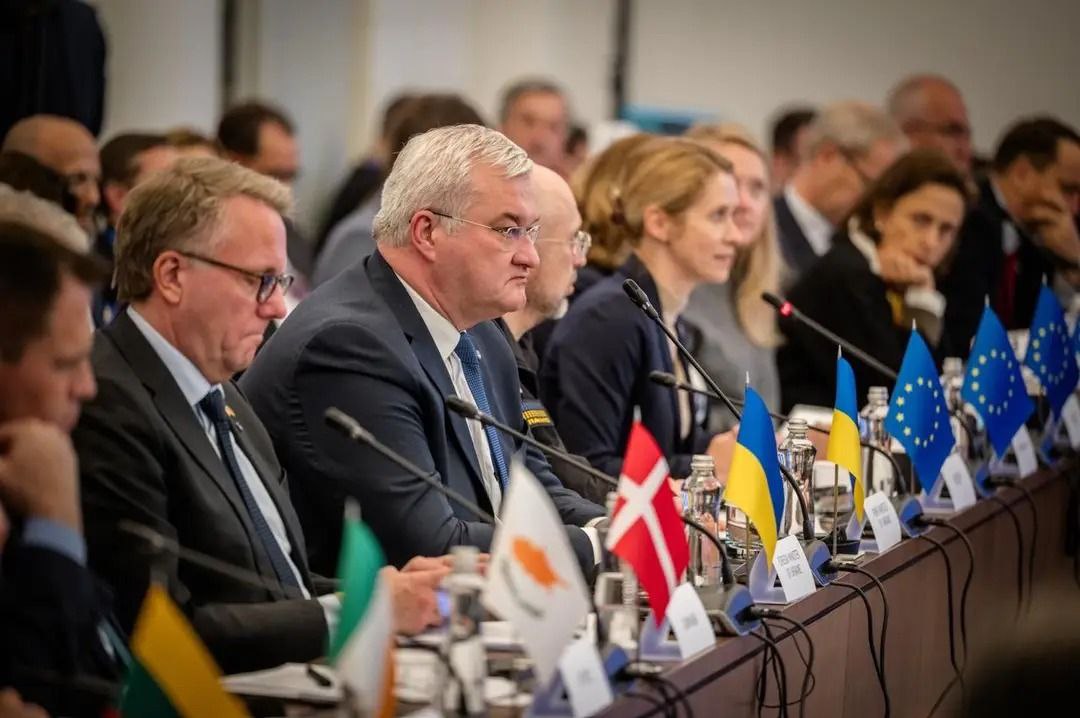
Ukraine’s FM Andrii Sybiha stated that coordinated Western pressure on Russia intensified throughout 2025.
The Gaze reports this, referring to Sybiha’s post on social media.
In a year-end assessment, the minister said Russia entered 2025 expecting sanctions fatigue and reduced military support for Ukraine, but instead faced tighter economic restrictions, sustained arms deliveries, and expanded legal mechanisms aimed at accountability for war crimes.
“Pressure did not ease – it accelerated,” the foreign minister said, adding that Ukraine and its partners raised the cost of war for Moscow “week by week and month by month” through synchronized economic, military, and legal measures.
Sanctions Hit Oil Revenues and Budget
Russian oil and gas revenues fell sharply during the year, with November 2025 income down 34% year-on-year – a decline that cut an estimated $3.5 billion from Russia’s budget. The losses forced Moscow to raise taxes, including value-added tax, increasing pressure on ordinary Russians.
The EU adopted four new sanctions packages in 2025 and is preparing a fifth, while the United Kingdom, United States, Canada, Australia, New Zealand, and Japan issued dozens of additional restrictive measures. Together, these steps lowered the price cap on Russian oil to $47.60 per barrel and targeted major energy companies, cutting an estimated $50 billion in projected Russian revenues for 2026.
Ukraine and its partners also sanctioned nearly 800 vessels linked to Russia’s so-called “shadow fleet,” tightening enforcement against sanctions evasion.
Military Support Shifted to Long-Term Programs
Sybiha said Moscow’s expectation of declining Western military support also proved misplaced. Instead, Ukraine’s allies transitioned from ad-hoc aid packages to long-term, multilateral defense programs, ensuring predictable funding and sustained weapons deliveries.
Under initiatives such as PURL, SAFE, and NATO-coordinated mechanisms, Ukraine expects approximately €40 billion annually in partner military support, with additional U.S. funding projected at $12–16 billion per year.
The NATO summit in The Hague, which committed allies to raising defense spending to 5% of GDP, explicitly allowed funds to be used to support Ukraine. The Ukraine Defense Contact Group, known as the Ramstein format, was restructured under joint leadership with European partners to focus on long-term capability development.
Legal Accountability Expanded
According to the minister, 2025 also marked a turning point in international efforts to hold Russia accountable. Key developments included the signing of an agreement establishing a Special Tribunal for the crime of aggression against Ukraine, the creation of an international compensation mechanism, and the expansion of the Register of Damage to include claims for forcibly deported Ukrainian children.
The United Nations issued Russia its first official warning over potential inclusion on a list of persistent perpetrators of conflict-related sexual violence. Meanwhile, the Council of Europe, OSCE institutions, and the Parliamentary Assembly of the Council of Europe adopted multiple resolutions and reports documenting violations of international humanitarian and human rights law.
Pressure to Continue in 2026
Despite the mounting strain, Sybiha said pressure on Russia remains insufficient and must continue to intensify. Ukraine expects 2026 to bring deeper recession and social stress inside Russia.
“The path to sustainable peace and guaranteed security lies through increasing pressure on Moscow, strengthening Ukraine, and proactive, effective diplomacy. That is why we will continue to use every opportunity to intensify economic, political, diplomatic, and military pressure on the aggressor state,” Sybiha said.
As The Gaze reported earlier, the EU has decided to introduce sanctions against vessels involved in transporting Russian oil independently of its formal sanctions packages.
Read more on The Gaze: Russian Oil and Gas Revenues Fall in 2025: Why It Happened and How to Cut Off the Main Source of War Financing