Sybiha Proposes Measures to Make Continuing the War Unbearable for Russia
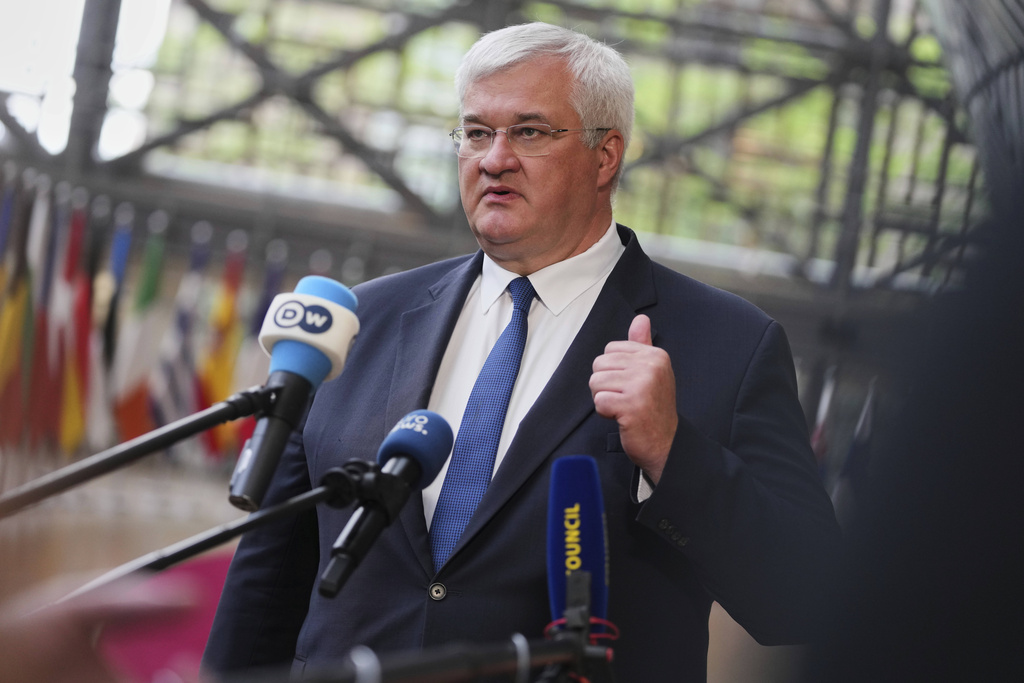
Ukrainian Foreign Minister Andrii Sybiha outlined specific measures that could make Russia’s continuation of the war against Ukraine economically unbearable for Moscow.
The Gaze reports on it, referring to the minister’s post on the social media platform X.
According to the minister, the Russian economy is entering a phase of serious problems despite Moscow’s efforts to mitigate the impact of sanctions. The federal budget of the Russian Federation already shows a record deficit, which could exceed $70 billion by the end of the year, while the regions, for the first time since the full-scale invasion began, are showing a consolidated deficit. Additional pressure comes from falling energy revenues — in November alone, oil and gas profits fell by more than one-third.
Sybiha emphasized that Moscow is forced to raise taxes, including VAT, and cut support for small and medium-sized businesses, further deepening the recession and shadow economy. He noted that by refusing to end its aggression, the Russian leadership is pushing the country into an economic downturn worse than the crisis of the 1990s.
"There is a real chance that the economic pressure will become unbearable for Putin. He does not count the thousands of soldiers he kills every day to gain additional square meters of Ukrainian territory. However, he keeps track of the money that belongs to him personally and his cronies," he wrote.
The Foreign Minister highlighted the effectiveness of the sanctions policy implemented by the G7, EU, and the United States, which, in his view, has already significantly restricted the resources of the Russian war machine. At the same time, he noted that the potential for pressure is far from exhausted: currently, sanctions cover only about 20% of the Russian military-industrial complex.
Among the key measures Sybiha proposed are expanding sanctions to the entire Russian defense sector, completely cutting off Russia’s access to technology, further reducing energy revenues, and closing all loopholes for evading restrictions. He also stressed the need for the EU to reduce its dependence not only on Russian oil and gas but also on Rosatom, and to strengthen trade and personal sanctions.
"Together, we absolutely can stop the Russian War Machine by running it out of fuel. Let’s do this now," the minister concluded.
Despite Russia continuing to export oil, its real energy revenues are rapidly declining, reaching their lowest levels since 2020 and sharply limiting funding for the war against Ukraine. Falling global prices, a stronger rouble, and US sanctions have cut oil and gas profits by nearly half, while military spending and arms production continue to rise.
Meanwhile, Ukraine’s drone strikes on energy infrastructure add further pressure, highlighting the vulnerability of Moscow’s “war economy.” These trends show that international sanctions and targeted actions are effectively reducing Russia’s financial capacity to sustain its aggression.
As The Gaze reported earlier, US Treasury Secretary Scott Bessent said that new US sanctions against leading Russian oil companies are already hitting Russia's economy, despite the Kremlin's claims to the contrary.
Read more on The Gaze: Why the Quick Lifting of Sanctions on Russia Before Concluding a Full and Stable Peace Agreement Opens the Path to a New War