Russia Turns East: Gas Sales to China Rise as Europe Cuts Off
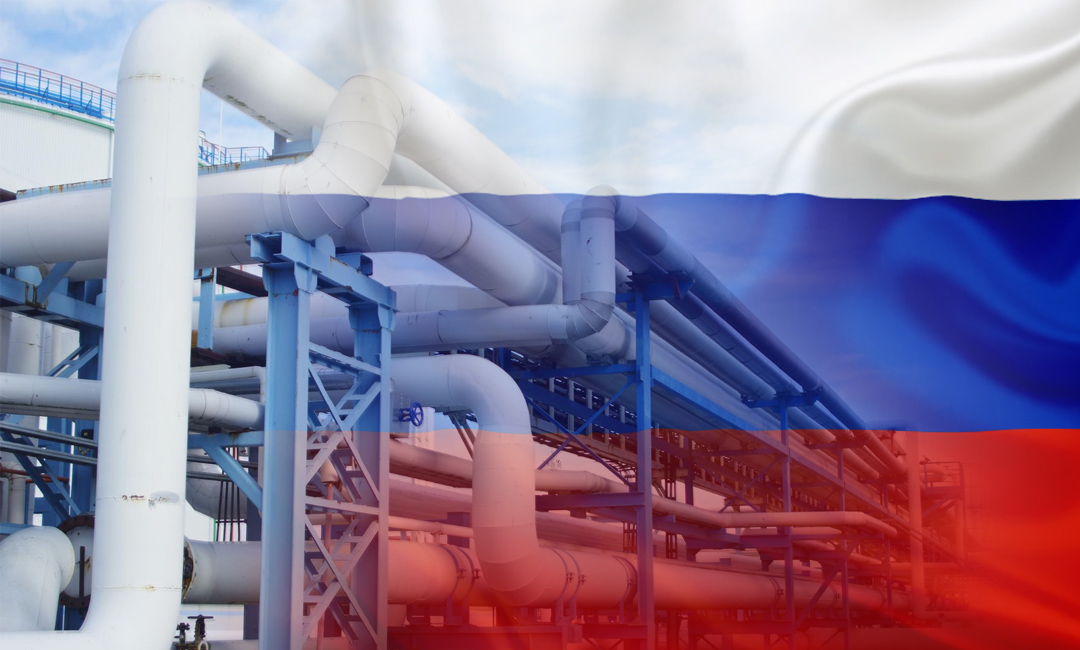
Russia expects a roughly 25% increase in gas exports to China in 2025, strengthening energy ties with the world’s largest consumer.
The Gaze reports on it, referring to Reuters.
According to sources, supplies via the Power of Siberia pipeline could reach around 38.6–38.7 billion cubic meters, exceeding the planned annual capacity of 38 billion cubic meters.
During Russian President Vladimir Putin’s visit to China in September, both countries agreed to raise annual shipments on this route by an additional 6 billion cubic meters to 44 billion cubic meters. They also endorsed the Power of Siberia 2 pipeline project, which could one day transport an extra 50 billion cubic meters of Russian gas annually via Mongolia from the Yamal Arctic fields. However, pricing remains a key challenge, delaying implementation.
Additionally, China has agreed to increase gas purchases from Sakhalin Island in Russia’s Far East from 10 billion cubic meters to 12 billion cubic meters per year, with operations expected to begin in 2027.
This increase reportedly will not offset the loss of revenue from the European market, which has contracted due to the war in Ukraine and the halt of cooperation with Moscow.
In 2025, Russia’s revenues from oil and gas exports are projected to decline sharply, with official estimates showing a drop of about 15% compared to 2024, from $235 billion to roughly $200 billion.
A key factor in the revenue decline is increasing demands from buyers for deeper discounts, particularly from India, which became a primary consumer of Russian oil after European sanctions. Rising risks related to tanker insurance, banking restrictions, and potential US secondary sanctions are forcing Russia to lower prices, reducing monthly revenues by tens of millions of dollars.
The G7 and EU price cap on Russian oil has also proven effective in limiting Kremlin profits, especially after the cap was lowered to $47.6 per barrel. Even if export volumes remain high, reduced margins significantly curb earnings.
Moreover, physical disruptions caused by Ukrainian strikes on oil refineries and port infrastructure have further reduced export volumes, while sanctions-induced isolation has increased logistics, insurance, and technology costs for Russian companies.
Given that, Russia has increasingly turned to China as a last-resort energy buyer, intensifying its liquefied natural gas (LNG) shipments. China does not recognize these unilateral restrictions and has continued purchasing Russian energy products. Shipments often involve complex logistics and route masking, including transfers between vessels and the use of foreign-registered ships to obscure movements.
Read more on The Gaze: China's Shadow Fleet: Why Beijing Is No Longer Hiding with Russian LNG